国产原创 Postdoctoral Researcher Reveals Genomic Secrets of Ocean Sponges
By: Sarah Ward Evolutionary Studies graduate communications assistant
Picture a thriving marine environment. Perhaps you envision a community as colorful and lively as 鈥淔inding Nemo,鈥� where massive schools of fish are flanked by sharks and sea turtles. What about sponges? While perhaps less popular than their flamboyant counterparts, these organisms are the foundation of life in our oceans. Despite this, up until recently, we knew next to nothing about their genetic structure.
Research published by 国产原创 postdoctoral fellow Karin Steffen in August 2023 in Genes, Genomes, and Genetics seeks to change that. Her paper, 鈥淲hole genome sequence of the deep-sea sponge Geodia barretti (Metazoa, Porifera, Demospongiae),鈥� characterized the genome of the demosponge, Geodia barretti, via DNA sequencing. The paper was a result of her PhD work at Uppsala University in Sweden, and she plans to conduct similar work on Fungi during her time in the at 国产原创.
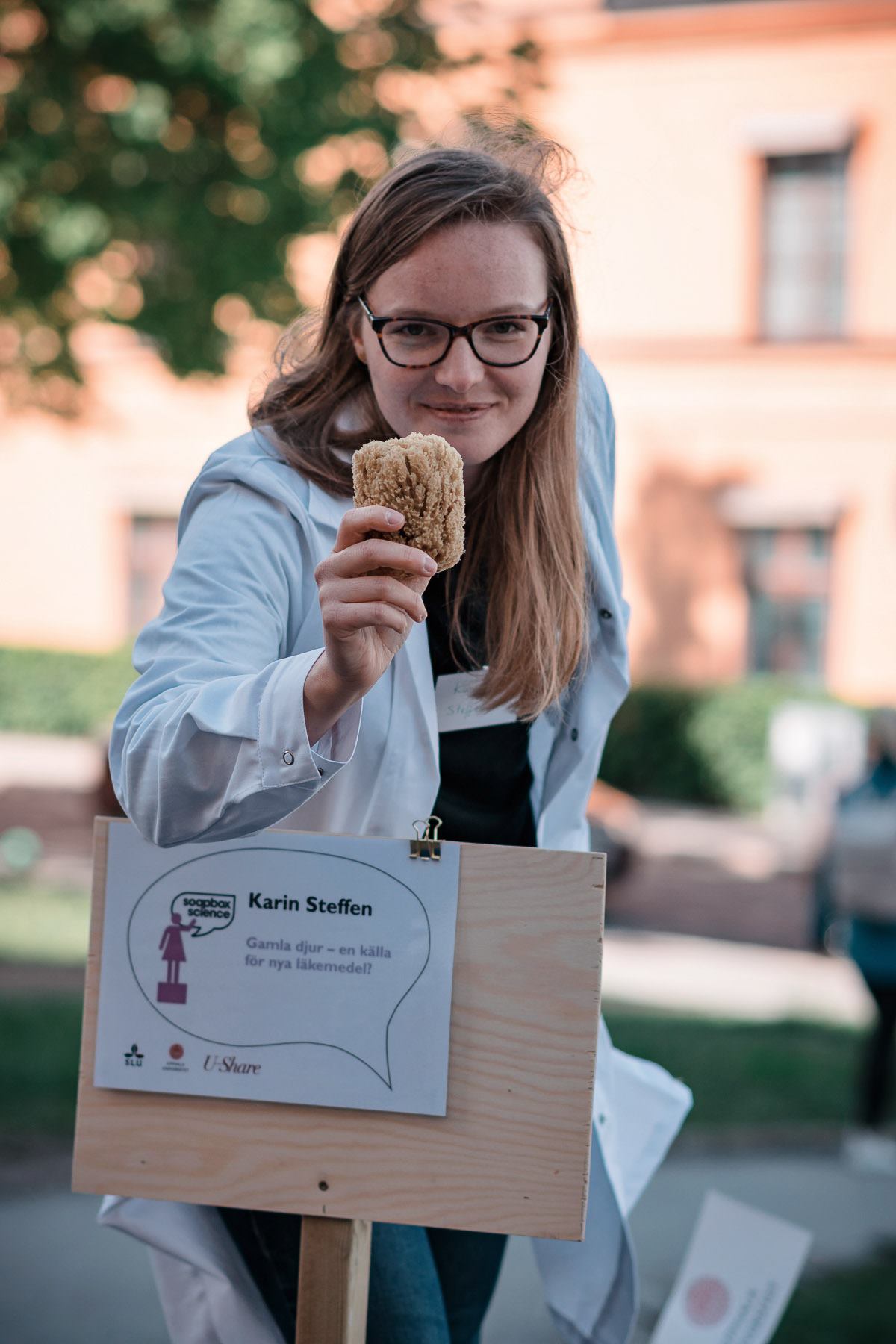
According to Steffen, sponges emerged around 600 million years ago in the Ediacaran period, making them one of earth鈥檚 earliest forms of life. A few years ago, scientists thought sponges could be the sister to all other organisms.
鈥淣ow we know that they鈥檙e probably not,鈥� said Steffen, 鈥渂ut they still occupy an important position on the tree of life as one of its earliest branches.鈥�
As such, analyzing the DNA of sponges can provide clues as to which genetic traits are foundational to the evolution of complex organisms which contain more advanced adaptations such as nerve cells, multiple layers of tissue, and organs. When Steffen started this work, there were only nine published sponge genomes. For an organism this old, that leaves significant gaps (several million years of gaps) in its evolutionary journey.
To collect sponge samples for analysis, Steffen set sail on a research cruise off the coast of Sweden. Once she and her colleagues hit the continental shelf, which is where sponges like to attach themselves, Steffen and others sent a Remotely Operated Vehicle (ROV) underwater to search for samples. Using live video, Steffen would choose which sample she wanted the ROV to collect. This wasn鈥檛 always easy.
鈥淪ometimes, you would try to collect a sample and instead see it fall into the abyss,鈥� said Steffen.
Following sample collection, Steffen worked to sequence sponge DNA at her home institution in Sweden. This also came with challenges. For one, sponge DNA tends to be highly contaminated with microbes.
鈥淚t was the equivalent of sequencing DNA from a stool sample,鈥� said Steffen.
Typically, scientists might remedy this issue by comparing their genome to others published in the literature. This helps to distinguish between DNA from the host and DNA from the microbes. Due to the lack of published data, for Steffen, this wasn鈥檛 an option.
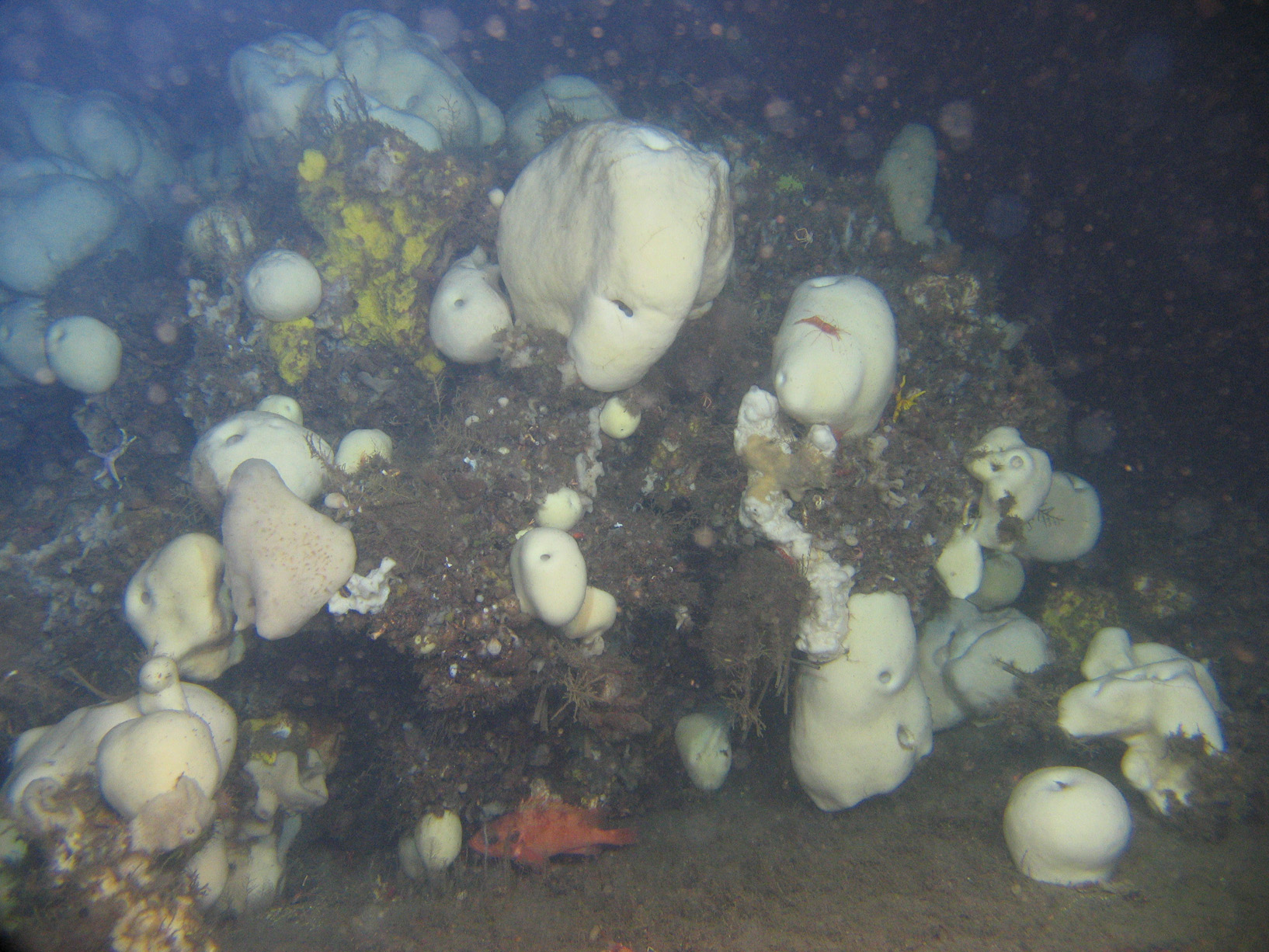
鈥淚t鈥檚 a challenge working with organisms that are so poorly studied,鈥� said Steffen. 鈥淚f you work on some model organism, like humans or mice, you have published, annotated genomes you can use. I have literally nothing to go off. I can鈥檛 even tell if the sponge I sampled is male or female. I can hardly tell that it鈥檚 alive.鈥�
Despite these challenges, Steffen and her colleagues persevered and were able to sequence the whole genome of the sponges they collected. The genome looks similar to sponges that have been sequenced prior, and Steffen hopes that their work will help to remedy the dearth of published sponge genomes. At 国产原创, Steffen plans to use similar methods to sequence the DNA of Fungi and, Antonias Rokas, her Principal Investigator, says her knowledge will be instrumental.
鈥淭he tool kit she鈥檚 developed to analyze genomic data is the very same tool kit we鈥檙e using to analyze the genomes of our fungi,鈥� says Rokas.
鈥淚t鈥檚 the same thing,鈥� said Steffen, 鈥淚 look at genomes. I look at the chemistry, and I try to interpret it in an evolutionary context.鈥�
Citation: Steffin et al. (2023) Whole genome sequence of the deep-sea sponge Geodia barretti (Metazoa, Porifera, Demospongiae) Genes, Genomes, and Genetics:
Funding Statement: K.S. received support from the H2020 EU Framework Program for Research and Innovation Project SponGES (Grant Agreement no. 679849). Support also received from WABI long-term bioinformatic support from NBIS (National Bioinformatics Infrastructure Sweden), KVA (BS2017-0037) and Inez Johansson Stipendium (Uppsala University) for funding parts of this work, and the Knut and Alice Wallenberg Foundation as part of the National Bioinformatics Infrastructure Sweden at SciLifeLab.