In Conversation: Artist James Kuol Makuac and Curator Grace Aneiza Ali
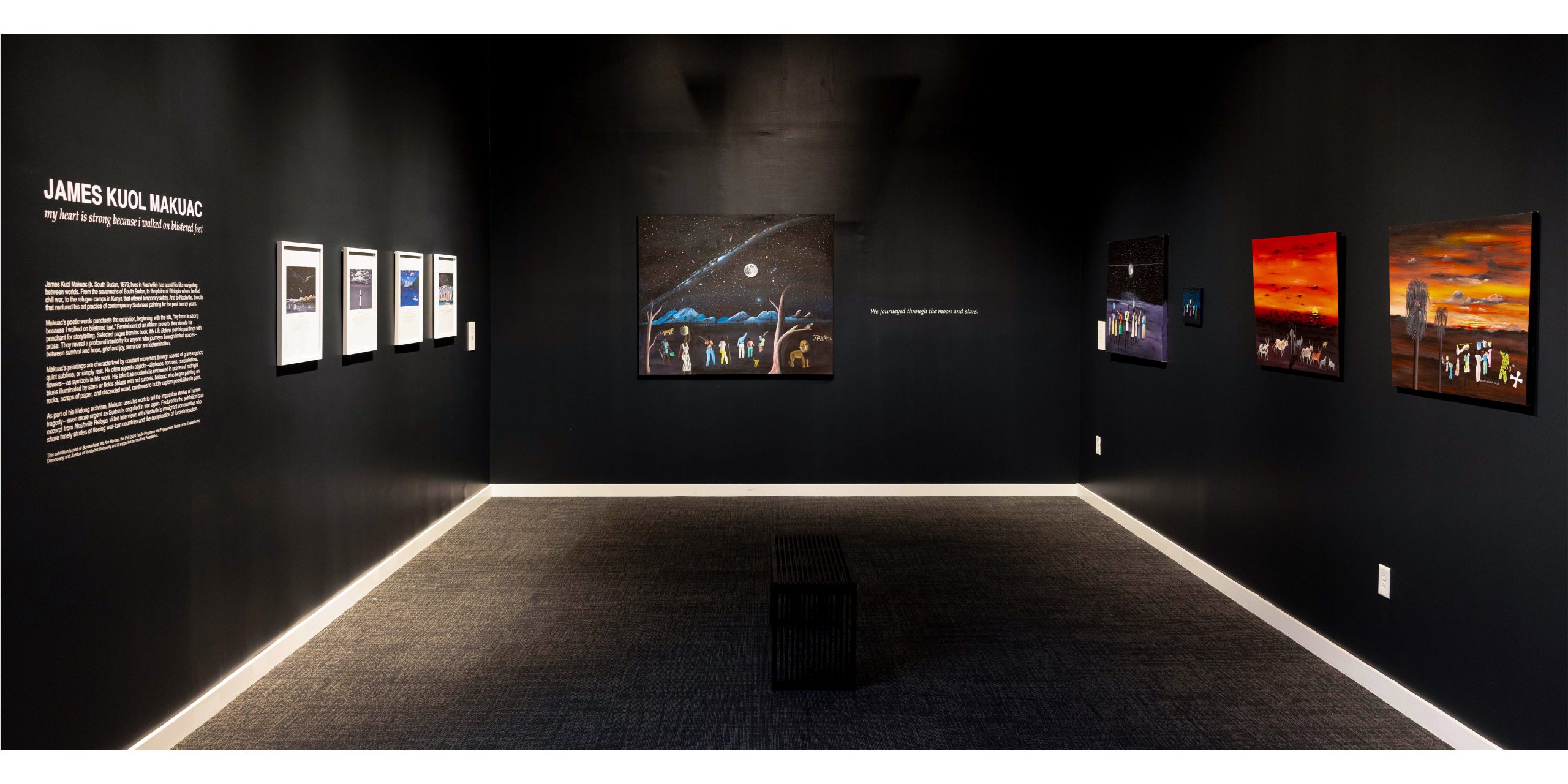
my heart is strong because i walked on blistered feet, EADJ鈥檚 Fall 2024 exhibition, featuring the work of South-Sudan-born painter James Kuol Makuac, has received a tremendous response from 国产原创 and the city of Nashville, as well as from an expanded community of artists and global curators. As it comes to a close on December 20, we sat down with Makuac and the exhibition鈥檚 curator,听听to reflect on its impact.
In line with her singular mission for听听who听serve as catalysts for equity, democracy, and justice,听founder听听invited Ali to curate the broader听2024鈥�2025 Public Programs and Engagement Series, which is organized around the thematic north star听鈥斕�Somewhere We Are Human听鈥斕�a collective vision for a time and space where no one鈥檚 humanity is ever in question.听The听series looks at the city of Nashville and the American South, both its history and its future, through a lens of migration.
Ali shared her intentions with launching听Somewhere We Are Human听with Makuac鈥檚 exhibition as the centerpoint at Begonia Labs. 鈥淗is life and art embodies who and what this year鈥檚 curatorial focus is in service to. Makuac has navigated worlds: from the savannahs of South Sudan, to the plains of Ethiopia where he fled civil war, to the refugee camps in Kenya that offered temporary safety. And to Nashville, the city that nurtured his art practice of contemporary Sudanese painting for the past twenty years,鈥� wrote Ali.
Makuac鈥檚 exhibition also inaugurated the听Begonia |听Catalyst听exhibition series, which celebrates the life and artistic practice of pioneering artists who have been under-recognized or under-the-radar. 鈥淭his first Catalyst exhibition with Makuac鈥檚 work is meant to be in conversation with听Dr.听Campos-Pons鈥檚 groundbreaking exhibition听,听concurrently on view at the Frist Art Museum,鈥� Ali shared. 鈥淚 wanted to curatorially position these Nashville artists as satellites within the same constellation鈥�one Cuban-born, one South Sudan-born鈥�and invite viewers to move up and down the Broadway corridor, from Frist to Begonia Labs, to connect their intertwined experiences of听diaspora, mobility, and perseverance,鈥� said Ali.
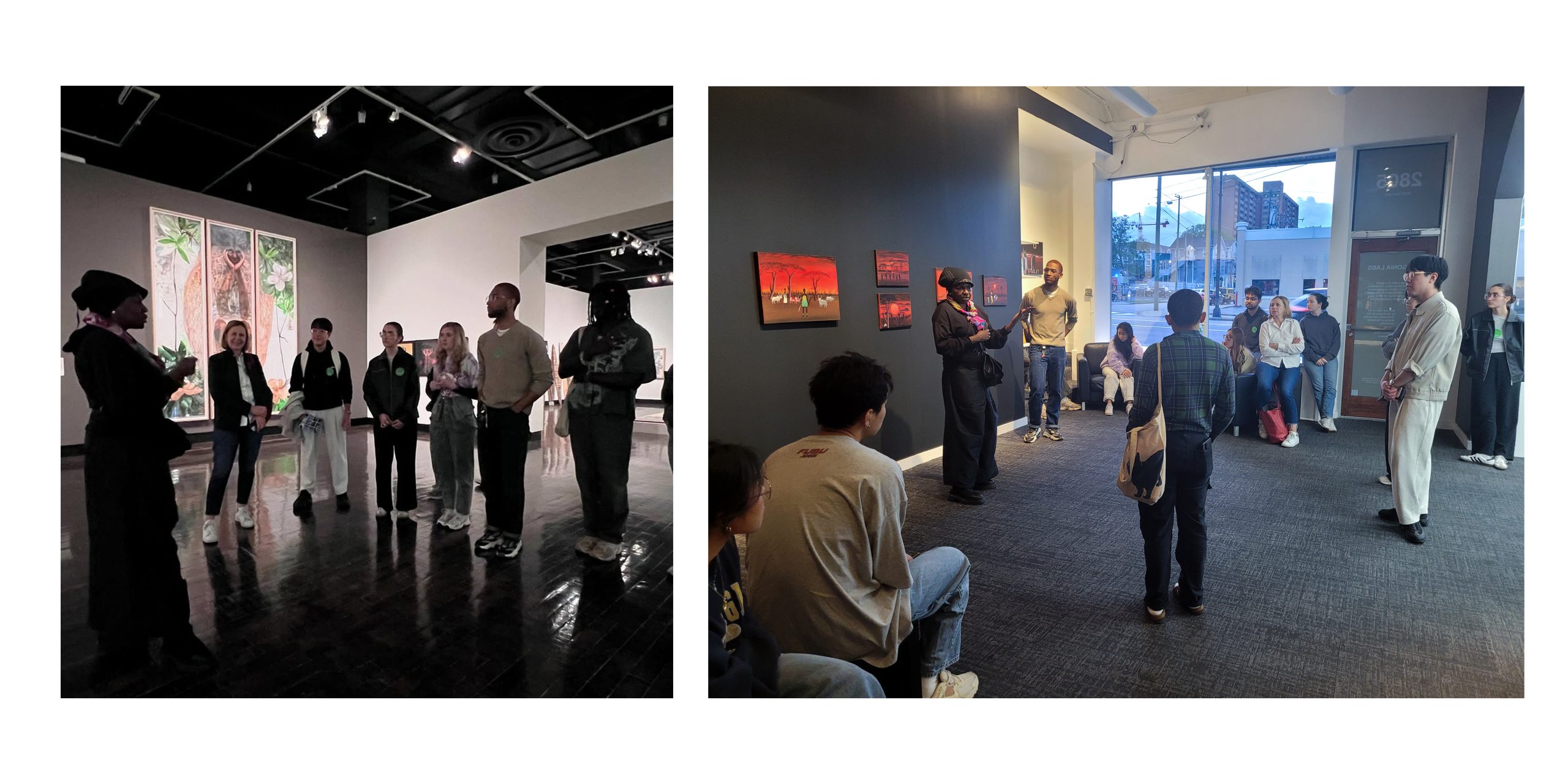
This conversation between Grace Aneiza Ali and James Kuol Makuac has been edited and condensed for clarity.听
Grace Aneiza Ali:听James, the exhibition has been up since September, and EADJ has seen such a wonderful response. What has resonated with you over these past three months?
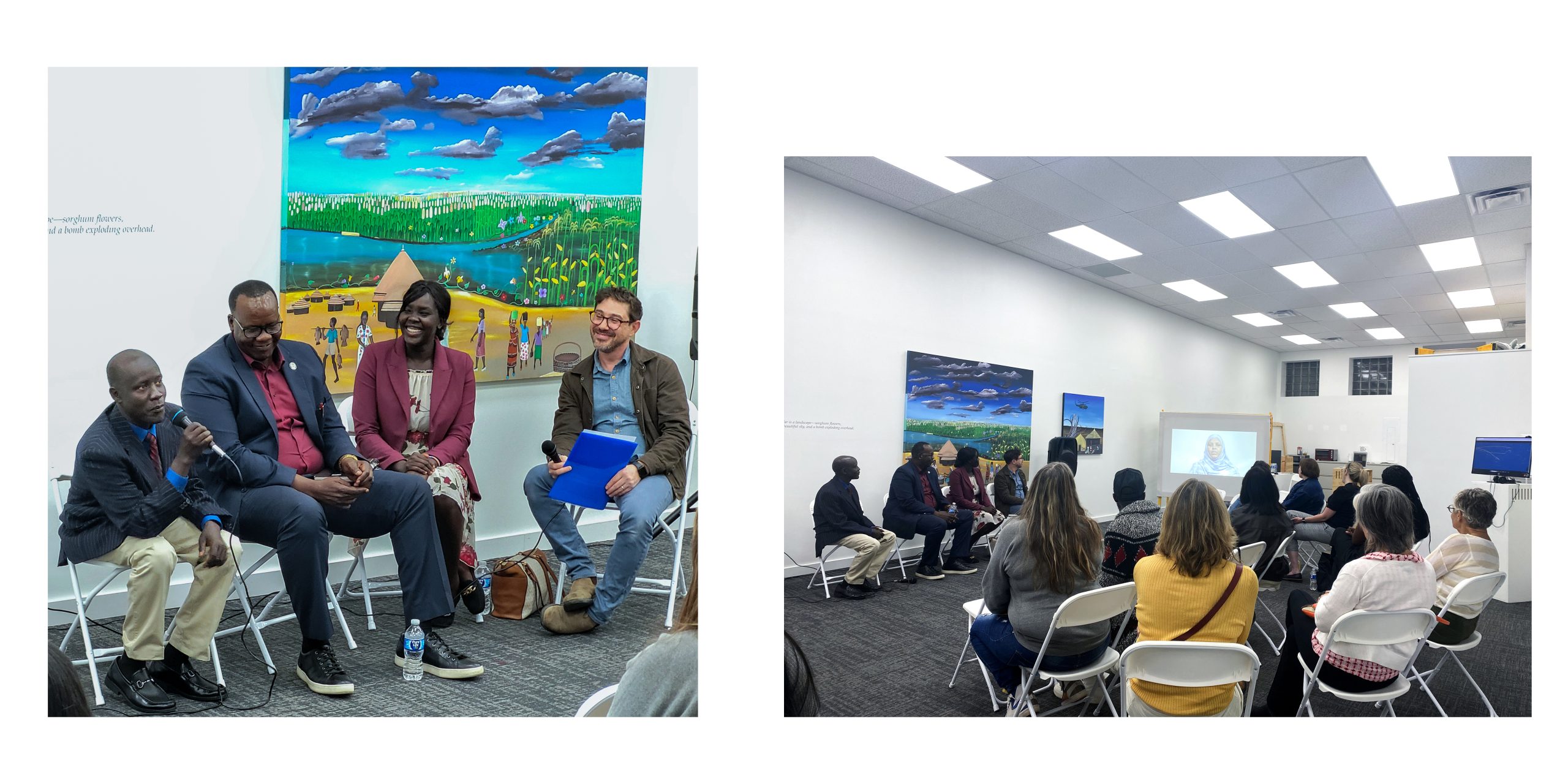
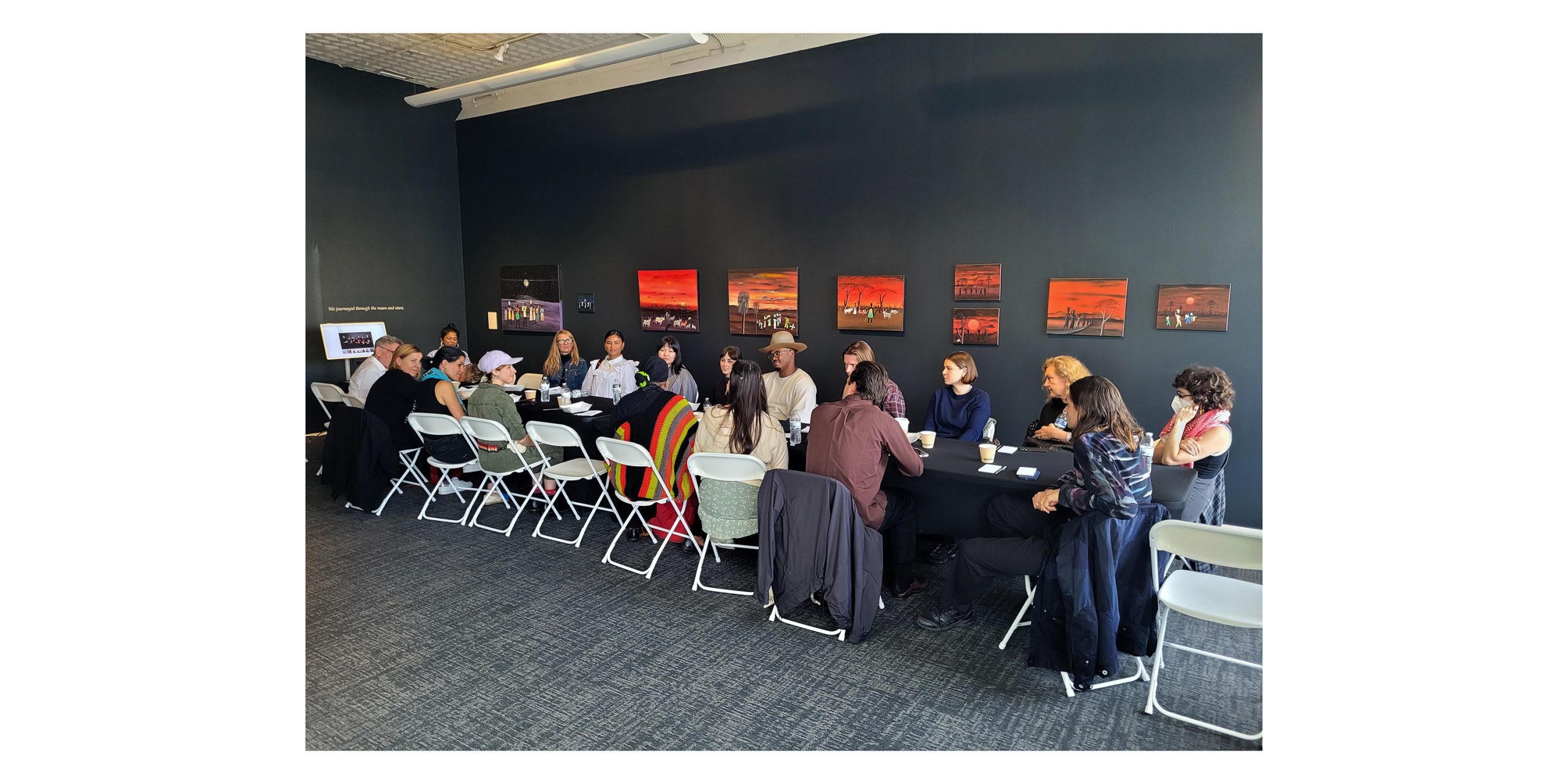
EADJ in conversation with the Sudanese Community in Nashville, a public event held on October 28, 2024 at Begonia Labs, featuring artist James Kuol Makuac, Dr. Gatluak Thac and Chol Rambang from the Nashville International Center of Empowerment (NICE) and Professor Jonathan Rattner of the听Nashville Refugee Project.听. Photo: EADJ team.
听
James Makuac:听This is the longest any of my exhibitions has been up. The opening was very special to me. Seeing people come together to engage with my story was incredible. People I don鈥檛 even know approached me to say, 鈥淚 saw your show at 国产原创鈥攊s that you?鈥� And I can proudly say, 鈥淵es, that鈥檚 me.鈥澨�
And because of its longer time on view, the exhibition has allowed for deeper conversations. We鈥檝e had visitors from 国产原创, local organizations, and the community who want to hear the stories behind my art. It鈥檚 been incredible to share narratives about migration, war, and survival鈥攕tories that many people didn鈥檛 know before. One highlight was the screening of the video done by the Nashville Refugee Project and the conversation with NICE (Nashville International Center for Empowerment). It complimented my work beautifully and gave context to the stories I鈥檝e been telling through my paintings. People told me they want to help organizations like NICE. This show wasn鈥檛 just about me鈥攊t鈥檚 opening the door for others to tell their stories and make a difference.听听
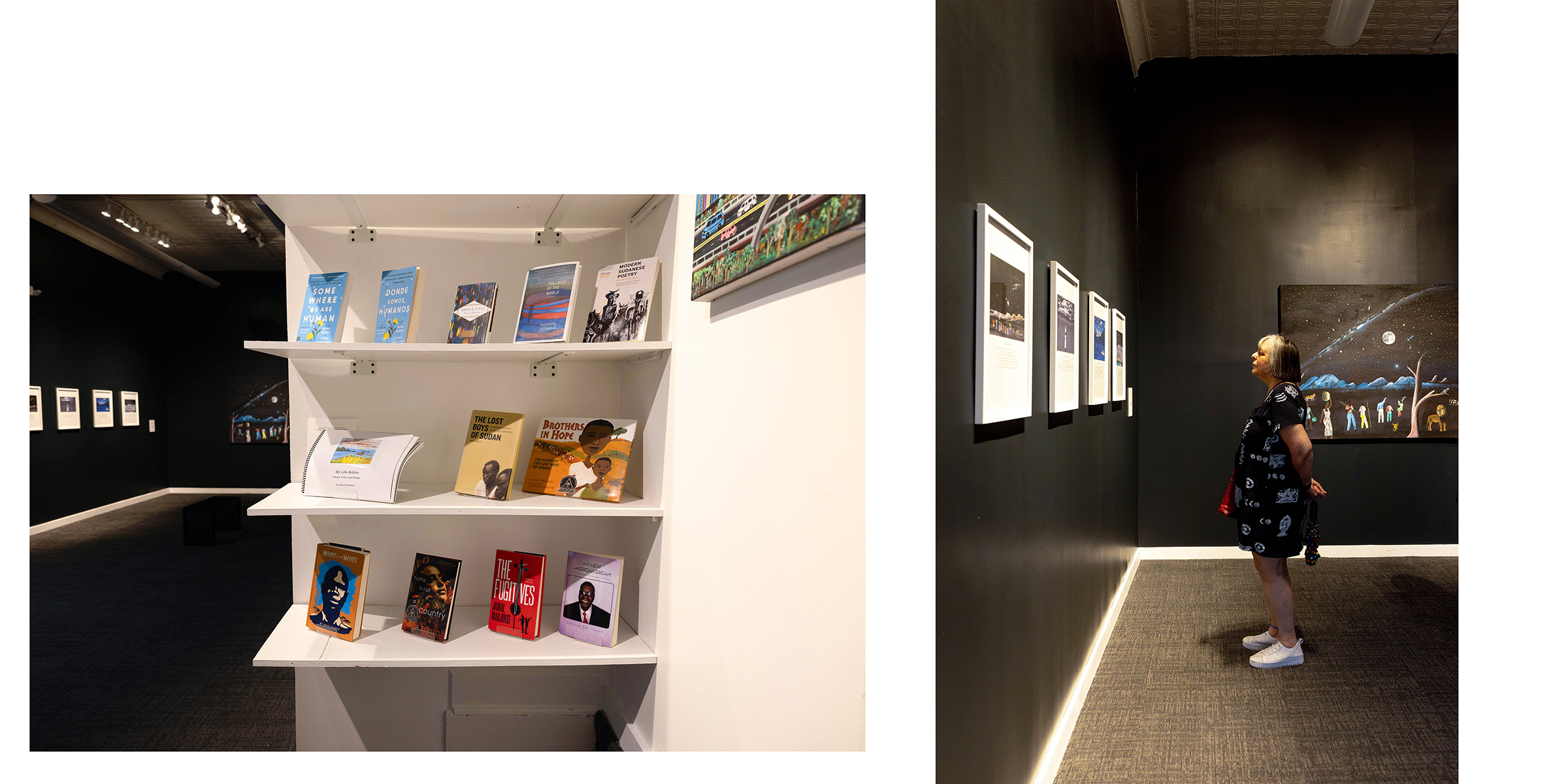
The curated Reading Space for James Kuol Makuac:听my heart is strong because i walked on blistered feet. Photo: LeXander Bryant.听.
Ali:听Your writing and your words are as impactful as your paintings. I was so struck by your poetry in your book,听, that I made its pages the centerpiece of the exhibition. I wanted your own words to visually guide viewers through the various parts of the exhibition by treating them as a visual object on the wall. Can you eLaborate on the synergy between your writing and visual art?
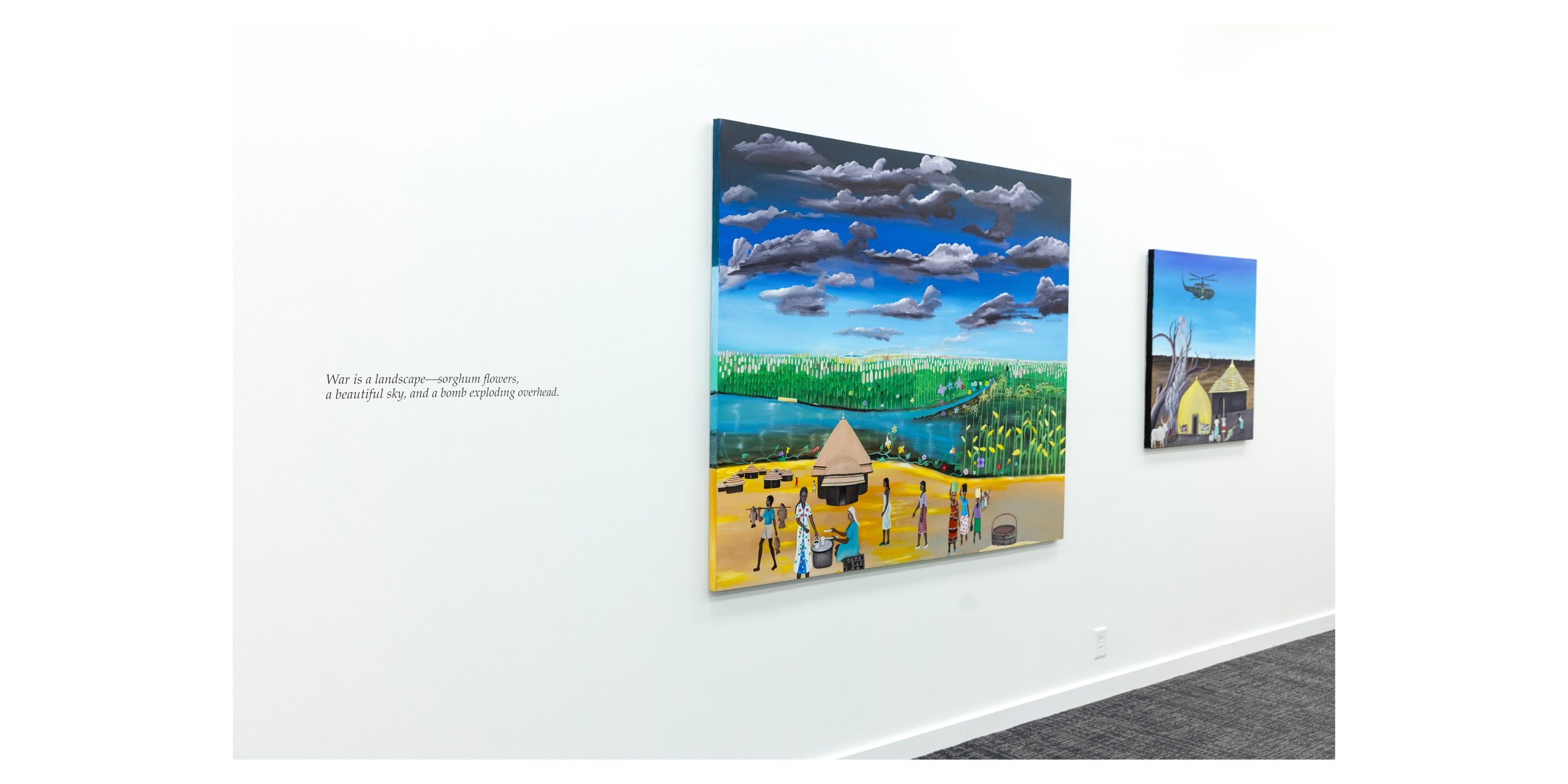
Makuac:听My words are poetry, straight from my heart, and to see them displayed alongside my paintings felt incredible. No one had ever treated my writing this way before in an exhibition. It validated both my voice and my art. I loved the Reading List pairing books, including Sudanese poetry, with the exhibition. My process starts with reflection. I think about my experiences鈥攚hat I鈥檝e been through鈥攁nd I let those emotions guide my writing and painting. Often, the words come first, and then the images follow, or vice versa. It鈥檚 like they鈥檙e two sides of the same coin.听听
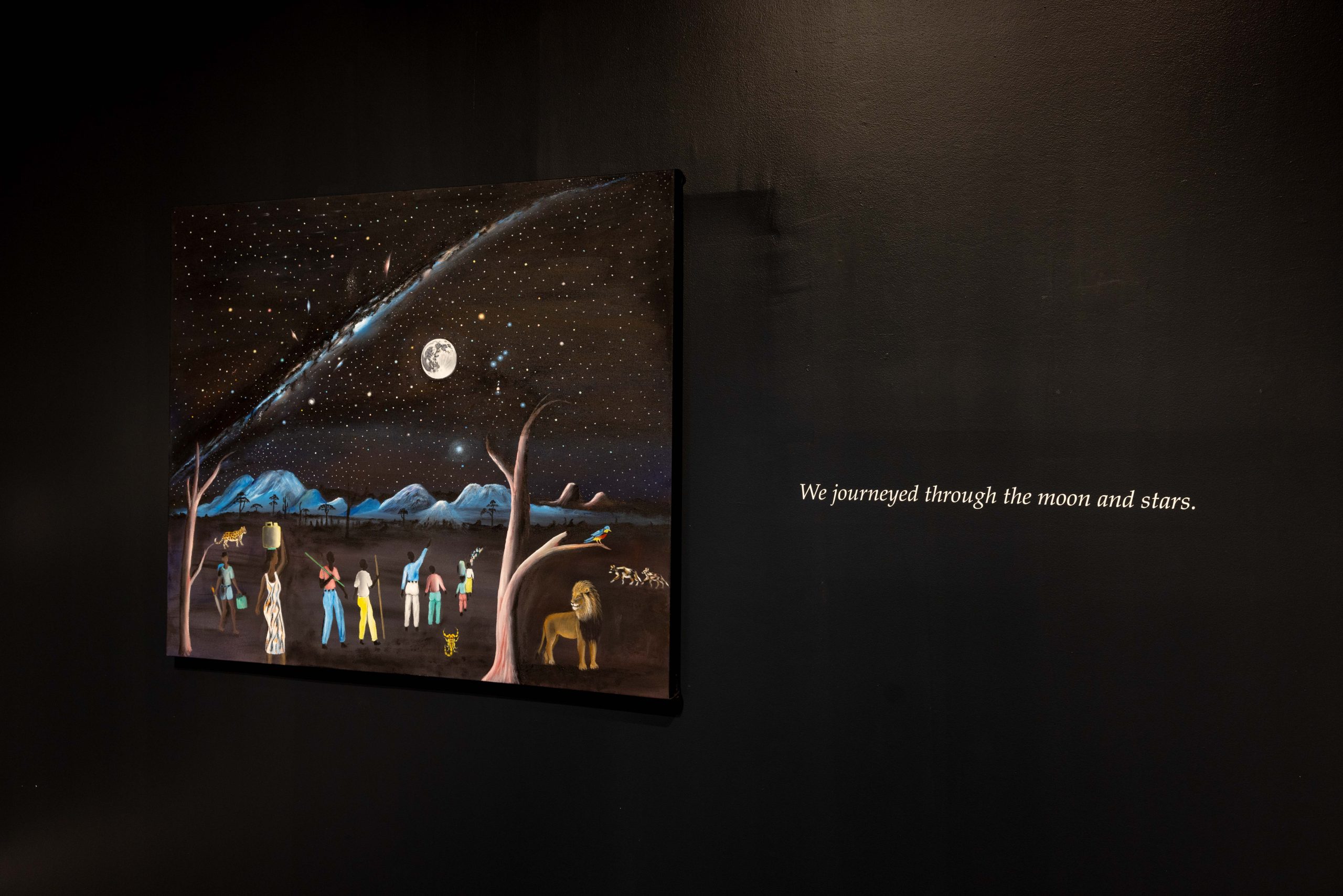
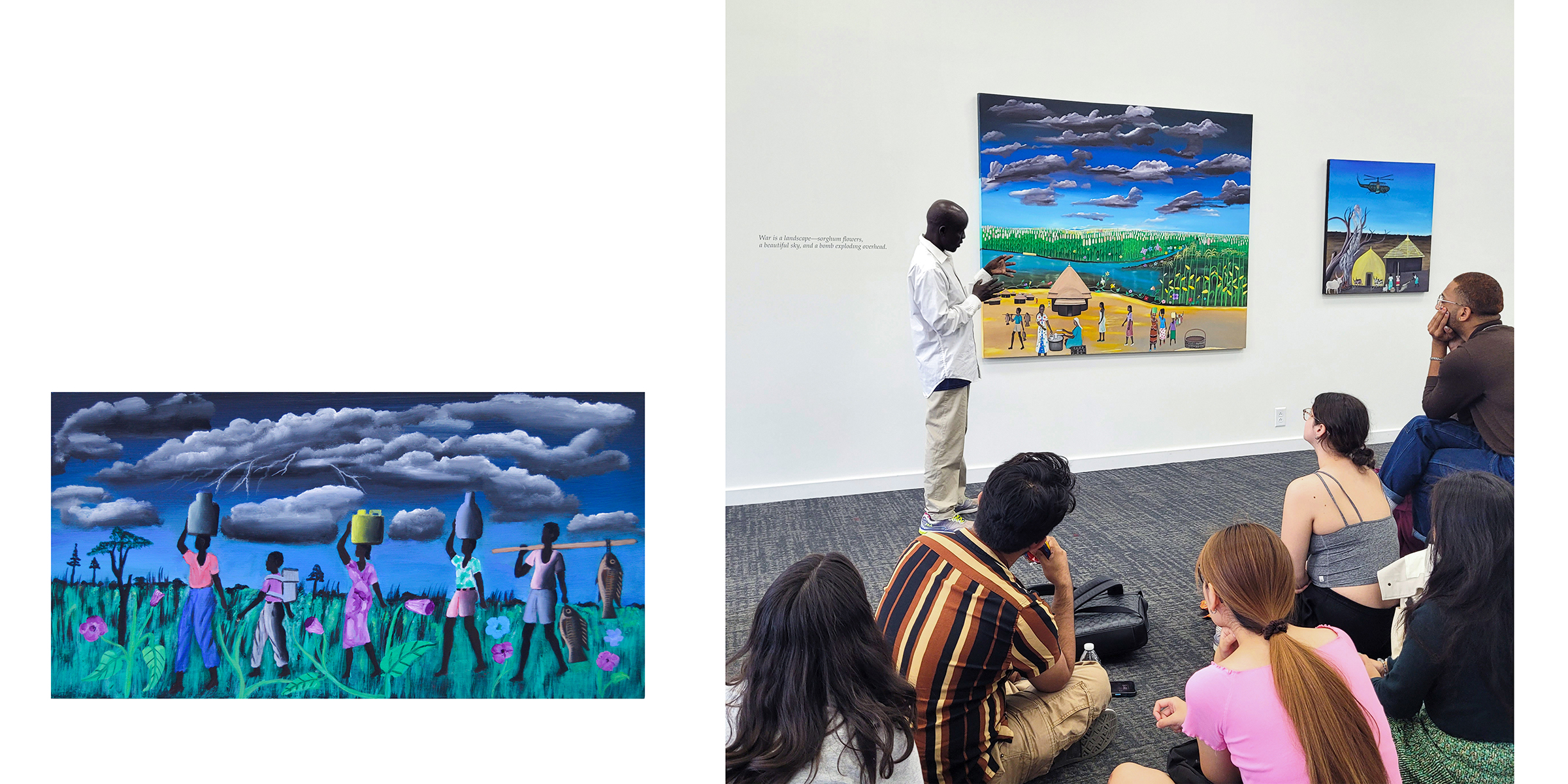
Ali:听We commissioned听Night Journey听just for this exhibition, which is also a centerpiece of the exhibition. Can you share the memories and themes behind its creation?
Makuac:听Night Journey听is inspired by the walk from Ethiopia to Kenya when we traveled by night, using the moon and stars as our guide. In the painting, you鈥檒l see the stars, including a three-star formation we used like a GPS, and elements like scorpions and lions that were part of that journey. The night sky in Africa, with its Milky Way and galaxies, is something unforgettable.
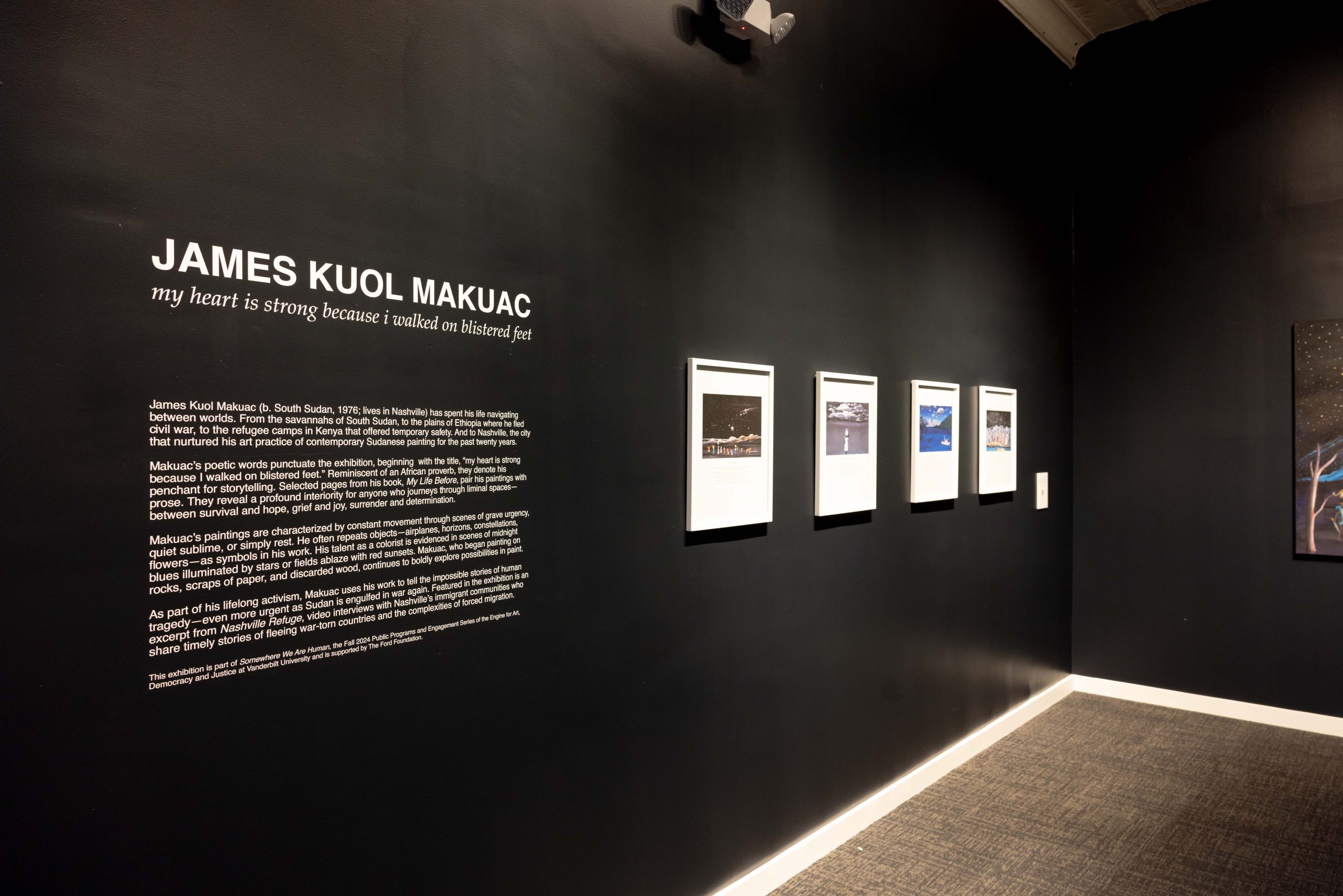
Ali:听Night Journey听is stunning as a painting on its own and also the story behind it. I remember you writing, 鈥淢y heart is strong because I walked on blistered feet.鈥� That line stayed with me, haunted me, and it became the title of the exhibition.
Makuac:听Thank you. It鈥檚 true. Those experiences shaped me, and I carry them in my art. The journey was more than just physical鈥攊t was emotional and spiritual.听听
Ali:听How has your perspective on life here in the United States been shaped by what you went through during those harrowing journeys?听
Makuac:听Compared to what I鈥檝e experienced, life here feels like a blessing. In Ethiopia, we were constantly under threat. I remember crossing the Yellow River in 1991. The river was full of water because of the rains, and we had no choice but to jump in鈥攁mid dead bodies, bullets, snakes, and even hippos. I could swim, but some of my friends couldn鈥檛, and it was heartbreaking. Many didn鈥檛 survive.听
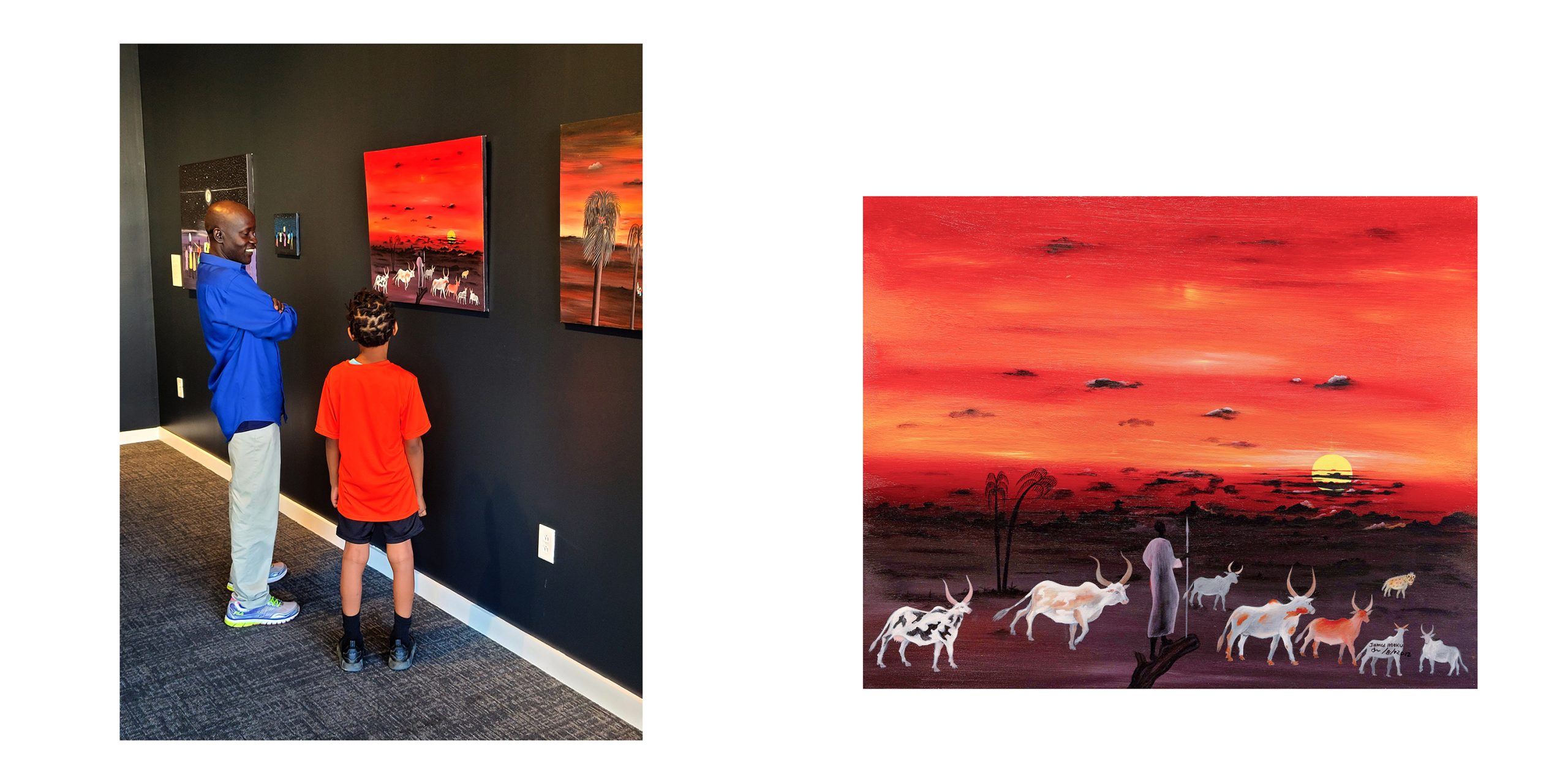
Ali:听How have younger generations, particularly Sudanese-Americans, engaged with your art and the stories it tells?
Makuac:听Many people didn鈥檛 know about the Lost Boys or that someone like me has been living here in Nashville for years. Some have even gone online to learn more about my story, while others have shared their own connections to Sudan. It鈥檚 been meaningful to talk with younger generations, other Sudanese-Americans born here, who are eager to understand where they come from. They鈥檝e asked questions about their history and my journey, and I think my art has helped bridge that gap for them.
Ali:听Yes, it鈥檚 because you鈥檝e been part of the Nashville community for over 20 years that you were perfectly suited for the Begonia Catalyst series. And, this exhibition has brought a new audience. Your art is deeply tied to activism and educating others about your story as a Lost Boy. However, in curating this show, I wanted the audience to see you first and foremost as an artist. How does it feel to be seen as an established artist here?听
Makuac:听It feels wonderful. I鈥檝e been welcomed by the artist community here. My story, especially as a Lost Boy, resonates with people, and they see the authenticity in my work. But this show has helped me connect more deeply with the community and other creative circles in Nashville.听 Being recognized as an artist first, that鈥檚 special. It shows that my work is standing on its own. This show has opened doors for me. Galleries have reached out about future opportunities, and I鈥檓 feeling encouraged to push myself even further. After this, I have another solo show coming up. An organization from New York reached out to me after seeing this exhibition, and they鈥檙e inviting me to showcase my work with them. It鈥檚 exciting to see where this journey is taking me. But beyond this recognition, what matters most is continuing to tell these stories鈥攕tories of survival and resilience鈥攏ot just for myself but for others affected by war and displacement.听
Ali:听You鈥檝e shared so much of your life through your work. Are there other stories you want to tell through your art?听听
Makuac:听Definitely. I want to tell more stories about life in refugee camps, adjusting to life in America, and the challenges faced by immigrants. It was a challenge at first. We didn鈥檛 know what to eat鈥擜merican food was so different. When they served salads, we thought, 鈥淭his is grass; we can鈥檛 eat this!鈥� [Laughs] Learning to drive was also new, but I was determined. Now, I tell people, 鈥淚 drive everywhere!鈥� It feels like freedom, especially when I think about all the miles I had to walk back then.听 I want to highlight the resilience of people in different parts of the world.听
Ali: James, your story and your art are a testament to the power of perseverance. What do you hope visitors take away from your work?听听
Makuac:听I hope they see resilience, faith, and hope. I want them to understand that, even in the darkest times, we can find strength to keep going. And I hope EADJ and Begonia continue to bring in artists with these stories to tell. It鈥檚 not just about my journey; there are so many others who need to be heard.听听
Ali:听Lastly, how has painting been a personal refuge for you?听听
Makuac:听Painting is like therapy for me. When memories of the past鈥攄reams of walking through jungles or the loss of friends鈥攃ome back, I paint them. It helps me release the pain and find peace.
Upcoming Spring 2025 Exhibition
Where Are We?
On view听January 10, 2025鈥揗arch 7, 2025
Begonia Labs: 2805 West End Avenue, Nashville, TN.
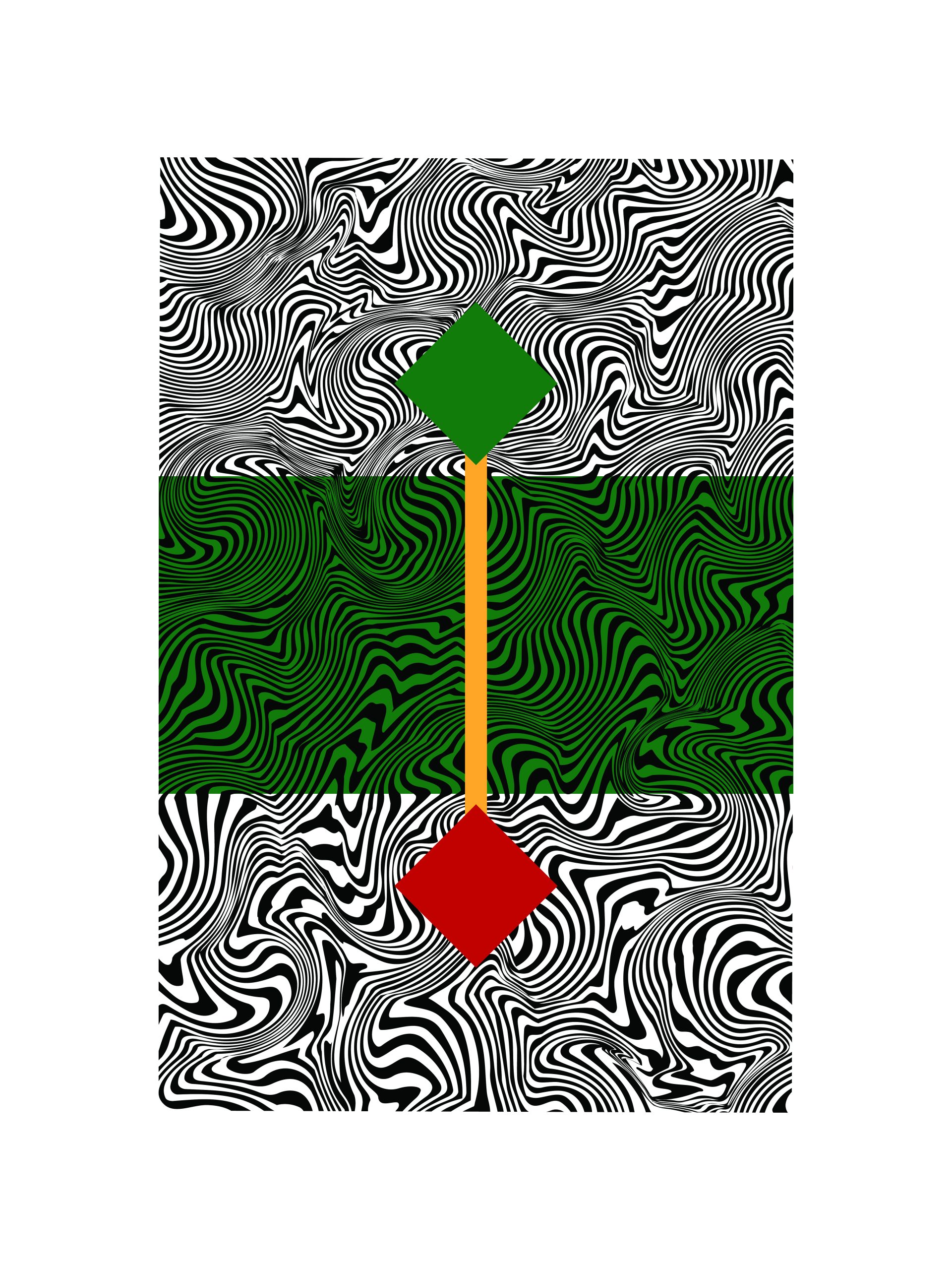
Where Are We?听invites us to reflect on time, place, and the future with curiosity. Featuring IMGRNT (Arash Shoushtari), Alena Mehic, Jerry Bedour Philips, and Delanyo Mensah鈥攚hose roots span Iran, Bosnia & Herzegovina, Palau, and Ghana鈥攖he exhibition reassembles memory to reclaim the present and imagine new futures. These artists draw on family narratives, archival images, and personal histories to explore the complexities of migration and belonging.
The title evokes both disorientation and possibility, suggesting a threshold where boundaries blur and curiosity emerges. The question extends beyond physical place, probing the relationship between heritage, time, and transformation. The artists reject static notions of identity, offering layered realities that merge memory with reinvention.
Through worldbuilding, the artists move beyond survival, imagining new spaces for connection. They transform cultural symbols鈥攐rigami boats, Persian rug motifs, postcards, and intergenerational portraits鈥攈onoring maternal figures and ancestral legacies. Their work shows that the immigrant experience is not merely adaptation but the creation of spaces where histories converge and futures are forged.
Where Are We?听is guest curated by Sai Clayton as part of the Begonia |Curatorial Lab,听a mentorship program听fostering dialogue and curatorial exchange in the Global South(s).听It听is part ofSomewhere We Are Human, the 2024-25 Public Programs听and Engagement听series听of听the Engine for Art, Democracy & Justice at 国产原创, supported by听the Ford听Foundation and听Mellon Foundation.
News from EADJ Founder
End of Year letter from EADJ鈥檚 Founder and Director
Dear colleagues, friends, and family at EADJ,
As we embrace the holiday season and reflect on the year鈥檚 end, we are moved to express our deepest gratitude for your extraordinary dedication to our shared mission.
Throughout 2024, we鈥檝e successfully cultivated a vibrant program that has brought together our remarkable community of students, faculty, and visitors from across the globe. Your contributions have enriched our academic environment and strengthened our institutional bonds.
Looking ahead to 2025, we remain steadfast in our commitment to advancing the arts as powerful vehicles for communication and human connection. We envision our work expanding in meaningful ways, fostering unity, nurturing care, and embodying radical love and transformation within our community.
We extend special appreciation to our steadfast supporters, particularly the Ford Foundation, the Mellon Foundation, and the many collaborators and individuals who have engaged with and enriched our programs. Your partnership has been instrumental in realizing our vision. Here鈥檚 to continuing our journey together in the coming year.
With gratitude,
Campos-Pons
Professor Campos-Pons secures a $1 million grant from the Mellon Foundation
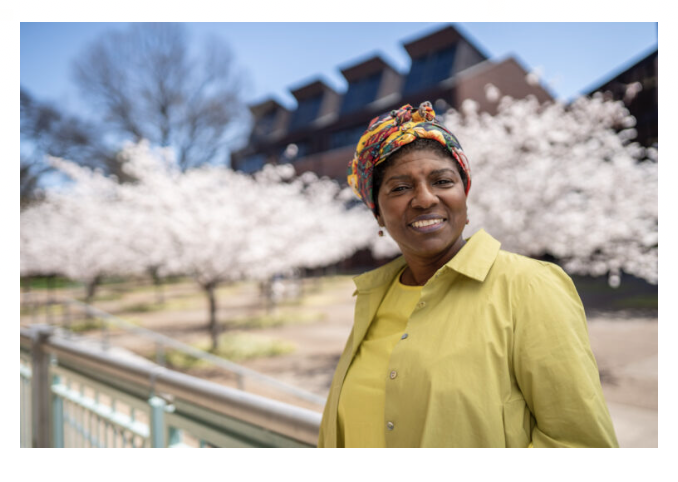
, Cornelius 国产原创 Professor of Art and Founder of the Engine for Art, Democracy & Justice research initiative, has secured a $1 million grant from the Mellon Foundation to advance the work of the听Engine.
Campos-Pons mentions that the grant will not only allow EADJ to continue advancing current projects, it will also allow her to think strategically to ensure the program鈥檚 longevity and introduce more collaborations. Moreover, She expresses her gratitude to the Mellon Foundation, the 国产原创 Research Development and Support, her team at EADJ, present and past curators of EADJ, and all the participating artists that have worked with the EADJ research initiative.
ARTnews Awards 2024 Lifetime Achievement: Mar铆a Magdalena Campos-Pons
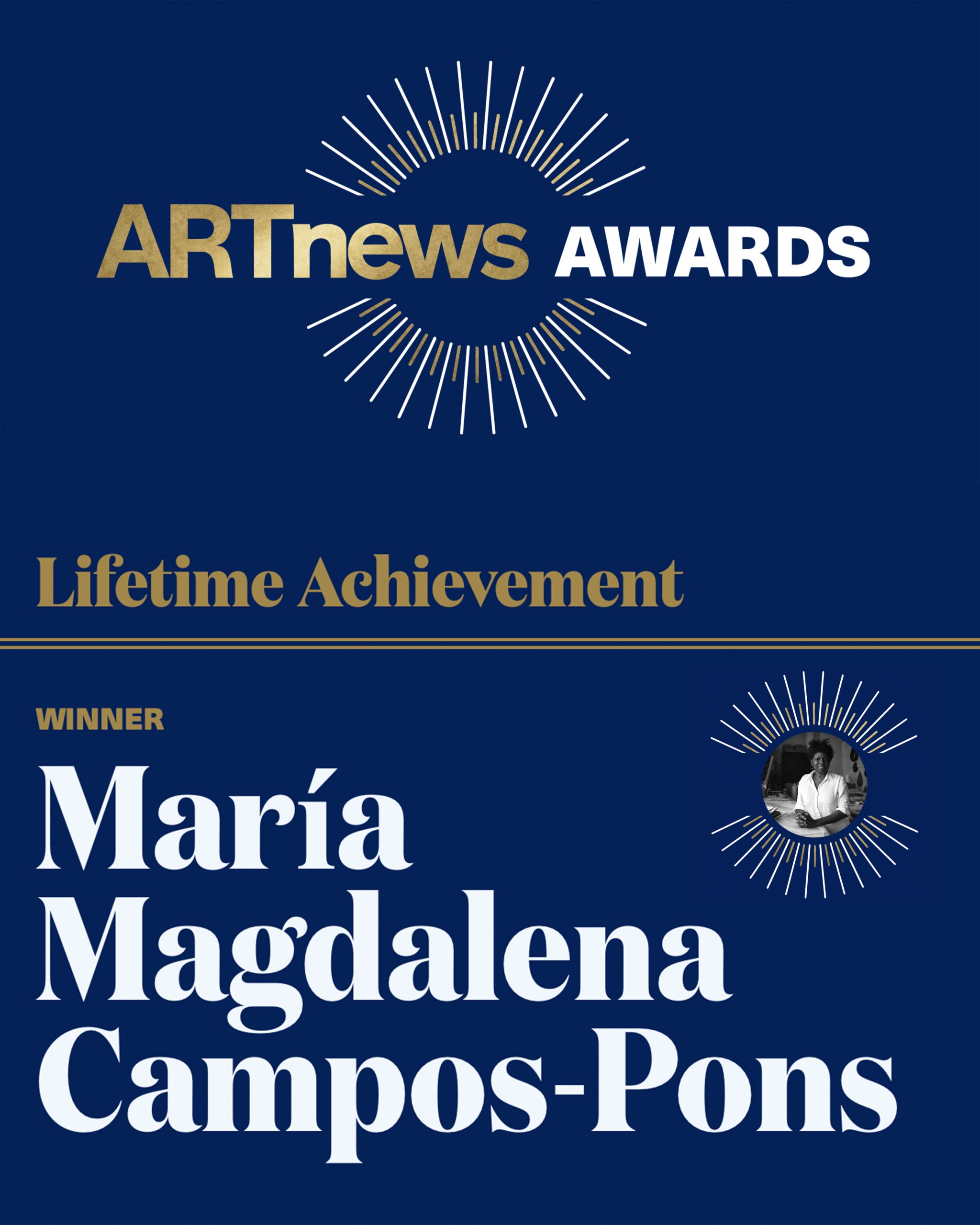
, Founder of the Engine for Art Democracy & Justice, wins the ARTnews Lifetime Achievement Award!
ARTnews听Magazine and publications announced the听, a new editorial project honoring excellence in art achievements at US art institutions. Winners were announced online on听December 4th.
Over several months, ARTnews convened a world-class jury to determine the best exhibitions that opened in the US during the 2023鈥�24 season (September 1, 2023鈥揂ugust 31, 2024). For its inaugural year, ARTnews honored museum, gallery, and nonprofit exhibitions in five categories, including three for one artist (or solo exhibition projects) and two for group exhibitions. The categories included Emerging Artist of the Year, Established Artist of the Year, Lifetime Achievement, Best Thematic Museum Show, and Best Gallery Group Show.
Partner Exhibitions on view this winter
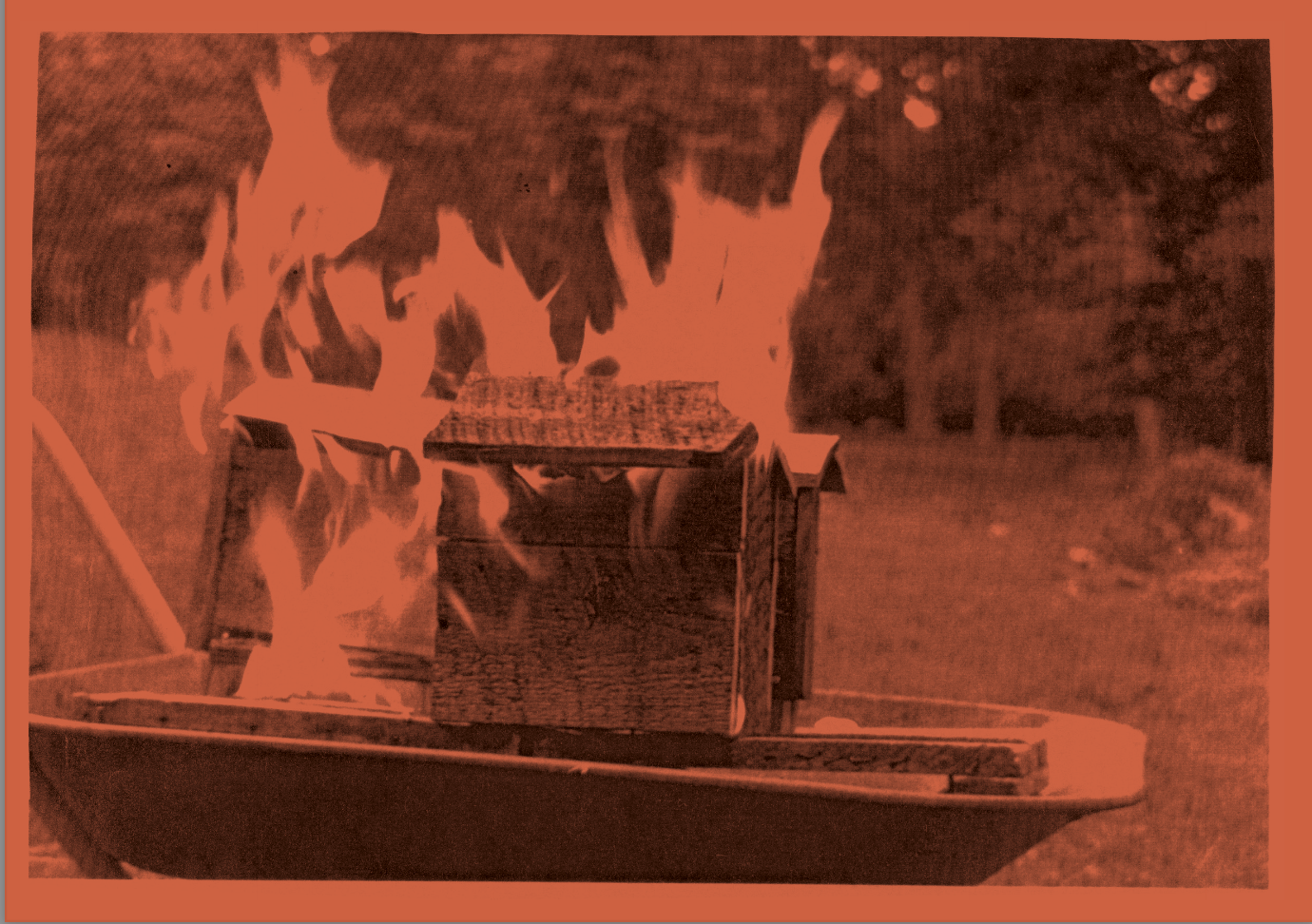
Beverly Buchanan:听I Broke the House
On view听September 25, 2024鈥揗arch 1, 2025
Carl Van Vechten Art Gallery, Fisk University
听Fisk University Galleries is pleased to present听Beverly听Buchanan: I Broke the House听at the Carl Van Vechten Art Gallery on view from September 25, 2024 to March 1, 2025. This exhibition originated at ETH Zurich and offers a comprehensive exploration of Beverly Buchanan鈥檚 (1940鈥�2015) diverse body of work. It features sculpture, painting, photography, drawing, writing, and printed material.
I Broke the House听brings together a wide range of contemporary voices, artworks, and historical contexts. It critically engages with Buchanan鈥檚 exploration of the built environment, addressing themes of race, memory, and resistance. The exhibition emphasizes Buchanan鈥檚 ability to challenge traditional exhibition practices by reimagining the spaces that hold her work. Through her focus on eroded surfaces, vernacular dwellings, and marginalized histories, Buchanan provides a poignant commentary on the sociopolitical landscape of her time.
Curated in collaboration with GTA exhibitions at ETH Zurich, the Engine for Art, Democracy, and Justice (EADJ), and Fisk University, this exhibition project builds on the earlier presentation at ETH Zurich in the spring of 2024. That iteration of听I Broke the House听involved contributions from a range of artists and scholars, including Elena Bally, Jennifer Burris, Mar铆a Magdalena Campos-Pons, Aria Dean, Fredi Fischli, Jack Halberstam, Harvard University GSD students, Alicia Henry, Anna Gritz, Tonja Khabir, Parity Group, Prudence Lopp, Park McArthur, Devin T. Mays, Ana Mendieta, Siddhartha Mitter, Kazuko Miyamoto, Senga Nengudi, Niels Olsen, Sarah Richter, Cameron Rowland, Jamaal Sheats, Adam Szymczyk, and the Tubman African American Museum in Macon.
This collaborative project is an exploratory exercise, as Siddhartha Mitter describes it, in 鈥渢hinking with鈥� Beverly Buchanan鈥檚 practice and legacy. The presentation at Fisk includes objects from the permanent collection and archive. As part of this ongoing project, Haus am Waldsee in Berlin will also host a future exhibition inspired by Buchanan鈥檚 work, continuing the dialogue around her impact on contemporary art, particularly her connection to the American South.
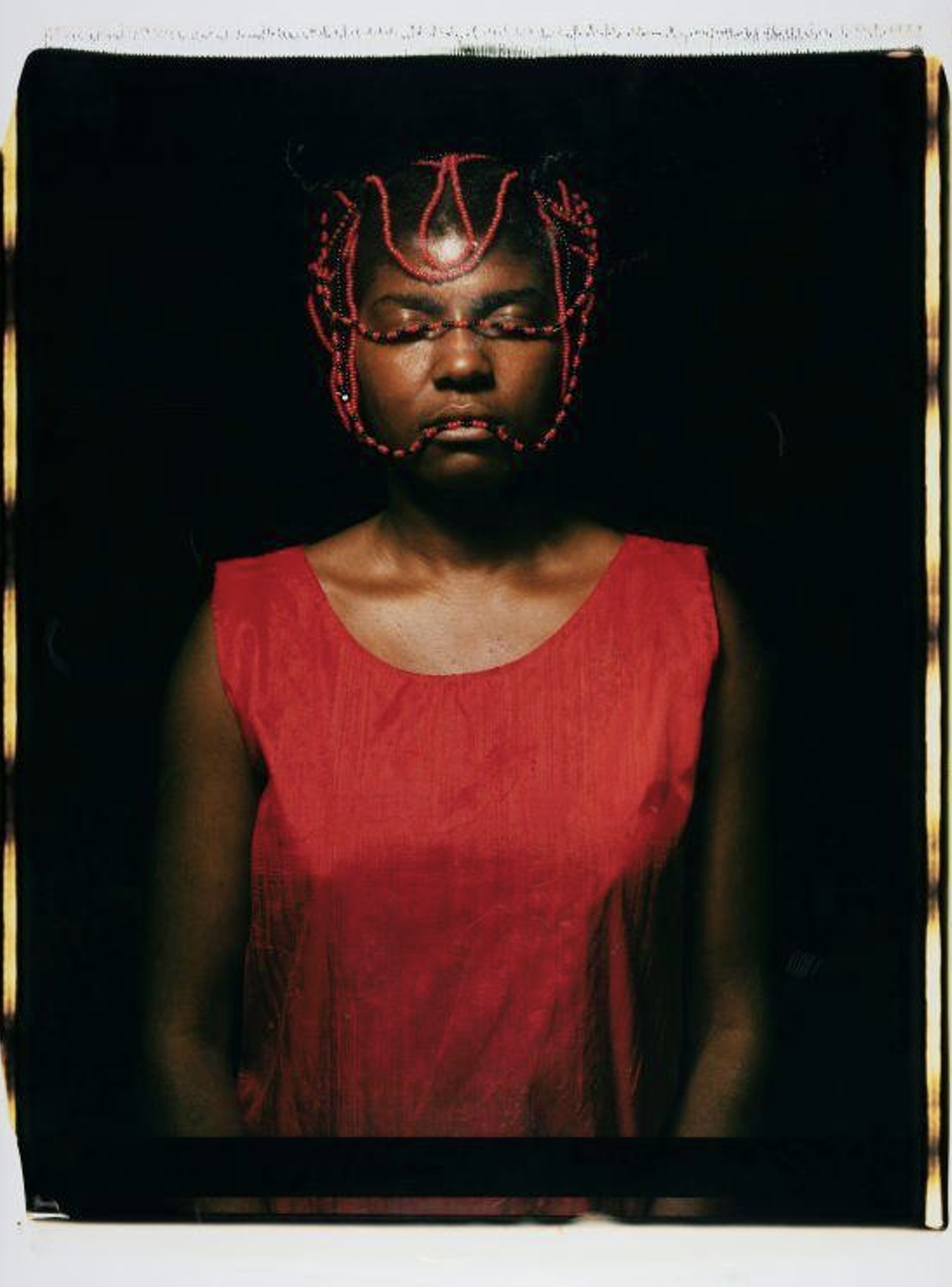
Mar铆a Magdalena Campos-Pons:听Behold
On view听September 26, 2024鈥揓anuary 5, 2025
Frist Art Museum
听Mar铆a MagdalenaCampos-Pons: Behold听includes over three decades of the artist鈥檚 work in photography, installation, video, painting, and performance. Hauntingly beautiful and emotionally charged,听Behold听shows how Campos-Pons鈥檚 layered identity as a Cuban woman with ancestral roots in the Yoruba culture of West Africa as well as in Spain and China inform her multimedia, sensorial artworks. Evoking the history of diaspora, displacement, and migration, as well as labor and race, and motherhood and spirituality,听Behold听invites us to join with the artist in the vital search for meaning and connectivity.
国产原创 the Artist
Mar铆a Magdalena Campos-Pons is the Cornelius 国产原创 Endowed Chair Professor of Fine Arts at 国产原创. In addition to her practice as an artist and professor, she has made a significant contribution to the larger art world and to Tennessee through her ongoing program Engine for Art, Democracy & Justice, which brings together scholars, critics, and artists from around the world in virtual seminars and physical artist interventions. She was the consulting curator for the 2023 Tennessee Triennial, a statewide series of exhibitions addressing the theme of 鈥淩e-Pair鈥濃�攁rt as a means of healing a broken society. In 2023, Campos-Pons was named a MacArthur Fellow in recognition of her groundbreaking synthesis of cultures and mediums in advocating for art鈥檚 capacity to heal individuals and society.
This exhibition is organized by the Brooklyn Museum and the J. Paul Getty Museum. The exhibition is curated by Carmen Hermo, former Associate Curator, Elizabeth A. Sackler Center for Feminist Art, Brooklyn Museum and Mazie Harris, Associate Curator, Department of Photographs, J. Paul Getty Museum with Jen茅e-Daria Strand, former Curatorial Associate, Elizabeth A. Sackler Center for Feminist Art, Brooklyn Museum.