


Civic Engagement at ¹ú²úÔ´´
The Division of Government and Community Relations has led several initiatives aimed at fostering advocacy skills and promoting civic engagement among faculty, staff and students.
ON THE HILL is a biannual report produced by the Division of Government and Community Relations summarizing activity at all three levels of government, as outlined by the ¹ú²úÔ´´ÌýFederal Relations, State Government Relations and Local Government Relations teams.
The Division of Government and Community Relations has led several initiatives aimed at fostering advocacy skills and promoting civic engagement among faculty, staff and students.
The Local Government Relations team hosted the newly elected Metro Council for an orientation led by Metro staff and departments. Council members received presentations from officials covering topics ranging from planning and zoning to transportation and Metro’s charter. The orientation offered first-time council members a deeper understanding of Metro government’s wide-ranging functions and provided a refresher for returning members.
Chancellor Daniel Diermeier briefly addressed the council, emphasizing that Nashville finds itself at a pivotal moment in its history, where it is crucial to be brave and resolute in the face of challenges.
The event welcomed council members who represent parts of ¹ú²úÔ´´â€™s campus and population, including Tom Cash (District 18), Brenda Gadd (District 24), Brandon Taylor (District 21), Terry Vo (District 17), Jacob Kupin (District 19) and Sandy Ewing (District 34).
 Heritage Foundation of Williamson County
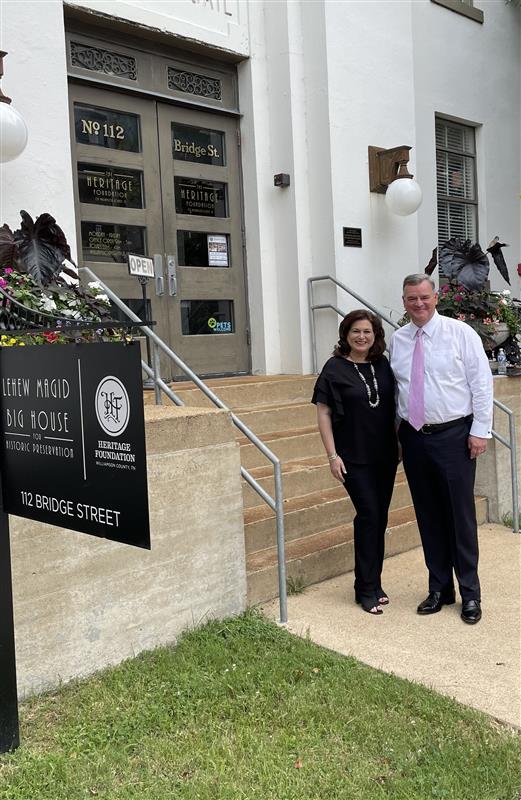
 The Heritage Foundation of Williamson County announced an exciting collaboration with ¹ú²úÔ´´ to support the Heritage Foundation’s upcoming History and Culture Center of Williamson County.Ìý
As part of the collaboration, ¹ú²úÔ´´ will play an active role in research and planning for exhibitions and public programming and will place a faculty member on the History and Culture Center’s advisory board, among other important opportunities.Ìý
Housed within a 1905 National Register of Historic Places building at 108 Bridge St. in Franklin, the 6,000-square-foot History and Culture Center of Williamson County will serve as a gateway to Middle Tennessee’s historic people, places and stories that engage, inspire and impact our collective future.
The Metro Council recognized the transformative power of the Nichols Humanitarian Fund and its benefactors, the Nichols family.
Working with the Local Government Relations team, Zulfat Suara, Metro councilmember at large, requested a resolution to honor the Nichols Humanitarian Fund. A presentation at the council’s Nov. 7 meeting recognized the family and students who have participated in humanitarian aid projects.
The Nichols Humanitarian Fund, which provides funding in support of ¹ú²úÔ´´ students who plan to pursue humanitarian immersive experiences, was established in 2006 by the E.C. and Lucile Hamby Nichols Trust, and by Edward C. Nichols Jr., JD’70, and his wife, Janice Nichols. The fund encourages ¹ú²úÔ´´ students to become better citizens of the world and to broaden their thinking by volunteering for humanitarian efforts.
A partnership of the Metro Nashville Historical Commission, ¹ú²úÔ´´ and Washington Junior High School alumni succeeded in erecting a historical marker honoring the school where it once stood.
Over 50 alumni and elected officials, including Mayor Freddie O’Connell and District 21 Council Member Brandon Taylor joined the celebration of the marker’s unveiling, reliving stories of dedicated teachers, coaches and administrators.
¹ú²úÔ´´â€™s support of the Washington Junior High School legacy is part of its ongoing commitment to the North Nashville community, which has included collaboration on the following initiatives:
¹ú²úÔ´´ celebrated Women's History Month with "A League of Our Own," a panel featuring the women leading the Metropolitan Government of Nashville and Davidson County. Vice Mayor Angie Henderson and At-Large Council Members Delishia Porterfield, Quin Evans Segall, Olivia Hill and Zulfat Suara shared insights on their rise to leadership positions in public service and how they have navigated gender bias throughout their careers.
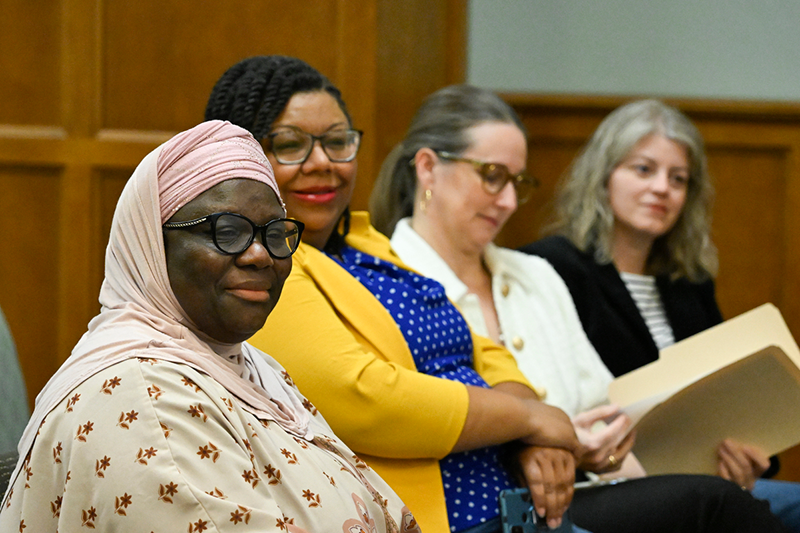
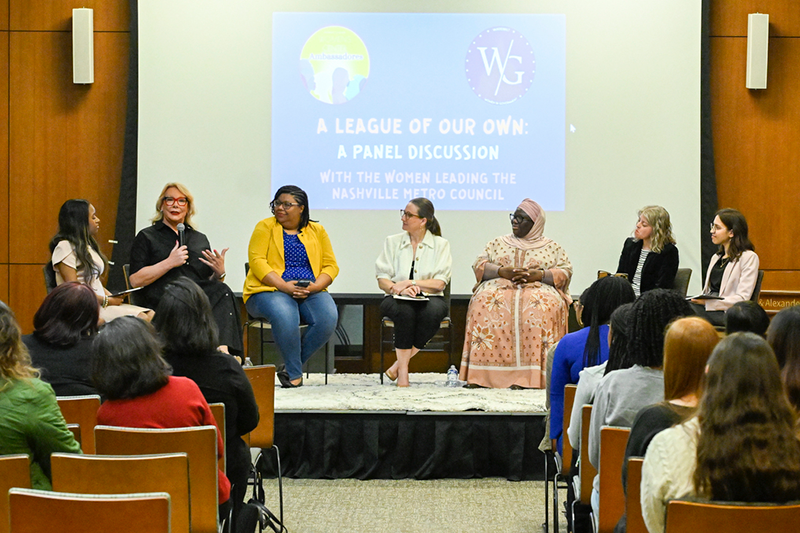
Co-hosted by the Margaret Cuninggim Women’s Center and the Division of Government & Community Relations, the event drew a diverse audience of ¹ú²úÔ´´ students and staff, as well as members of the Nashville community. The panelists shared the unique challenges they face in politics as women and how they have overcome these challenges. They also discussed why diverse leadership in government is so important.
"A League of Our Own" reflects ¹ú²úÔ´´â€™s commitment to inclusive dialogue and community engagement. The event showcased the accomplishments of Nashville's women in government and reaffirmed the university’s dedication to fostering diverse leadership. ¹ú²úÔ´´ eagerly anticipates ongoing collaboration with Metro Council, aiming to collectively confront critical issues facing both the campus and the greater Nashville community. Read more
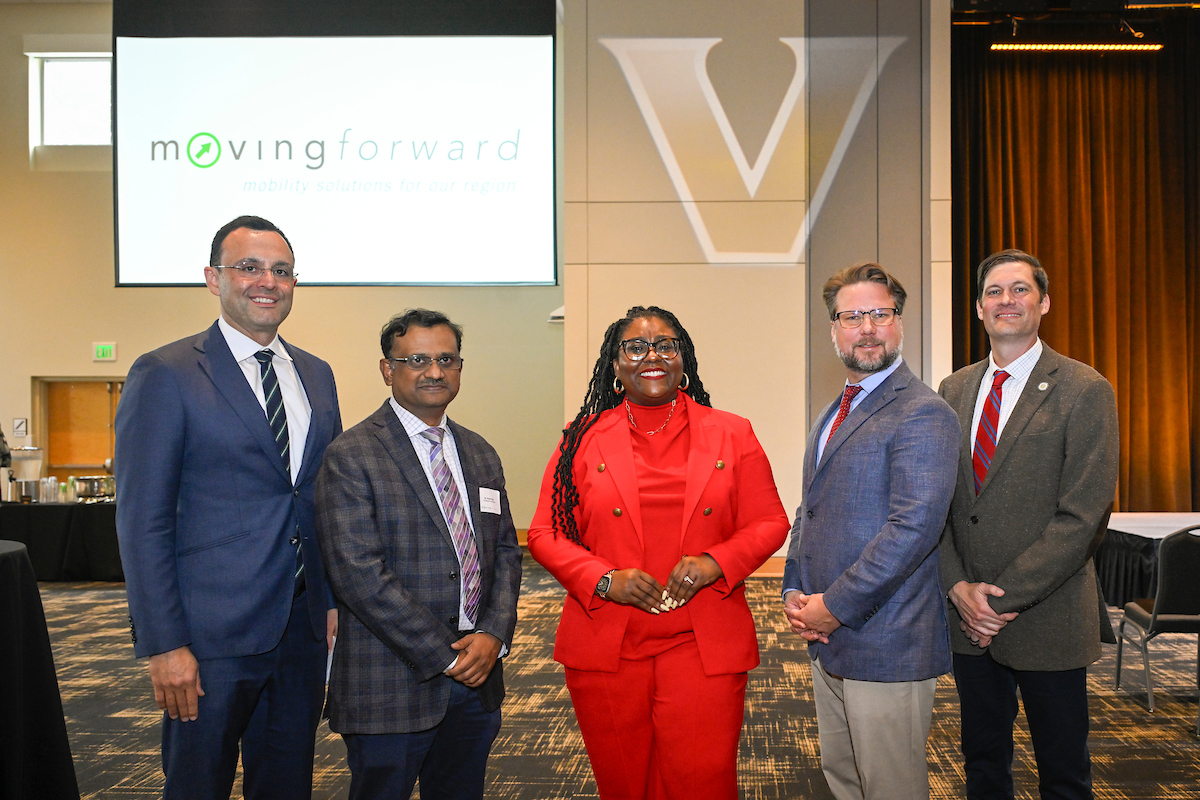
¹ú²úÔ´´, in collaboration with ¹ú²úÔ´´ Medical Center and , recently hosted an important event aimed at addressing Nashville's transportation future. The gathering, centered around open discussion with Mayor Freddie O’Connell regarding the transportation plan, was held Monday, May 20, at the ¹ú²úÔ´´ Student Life Center.Ìý
Acting as a platform for community engagement, the event provided a forum for attendees to learn more about Mayor O’Connell’s ambitious transportation improvement plan, “Choose How You Move: An All-Access Pass to Sidewalks, Signals, Service, and Safety�. With over 150 in attendance, including elected officials, community leaders and citizens, the gathering offered a unique opportunity for Nashvillians to engage directly with the mayor and offer valuable feedback. Read More
Follow Us
FollowÌý¹ú²úÔ´´ LocalÌýonÌýÌýandÌý for updates on community events, opportunities, construction impactingÌýneighborhoods, and more.
Subscribe to the GCR NewsletterÌý
This monthly newsletter highlights ¹ú²úÔ´´â€™s impact in the local community, the state of Tennessee, and beyond through stories about our work in government and community relations.

Senior Director, Local Government Relations

Neighborhood and County Liaison

Local Government Relations Coordinator
¹ú²úÔ´´â€™s State Government Relations team welcomed lawmakers from the Tennessee General Assembly’s Veterans Caucus and representatives from the Tennessee Department of Veterans Services on Nov. 13 at the Laboratory for Systems Integrity and Reliability. The group got an overview of ¹ú²úÔ´´â€™s programs that support veterans and of the university’s robust research partnership with the U.S. Department of Defense and Fort Campbell.
¹ú²úÔ´´ is committed to fostering meaningful connections across the state and has sponsored several legislative events.Ìý
¹ú²úÔ´´ was one of the main sponsors of the Tennessee Chamber and Commerce Annual Legislative Reception on January 9th. This reception, held on the opening night of the General Assembly’s session, is one of the most widely attended legislative events of the year. It brings together over 600 attendees consisting of elected officials, legislative staff, lobbyists and business leaders to celebrate the annual start of the Tennessee General Assembly.  Vice Chancellor Nathan Green and Assistant Vice Chancellor Daniel Culbreath represented ¹ú²úÔ´´ at the reception.ÌýÌý
¹ú²úÔ´´ was also a sponsor of the 2024 Tennessee Prayer Breakfast. The event features notable speakers who share insights on topics relevant to the community, fostering dialogue and collaboration toward addressing shared challenges and advancing positive change in Tennessee.Ìý
As ¹ú²úÔ´´ continues to be an active participant in events like these, it solidifies its position as a leading institution that actively contributes to the broader societal dialogue with state and community partners.Ìý

AI in Music
The ELVIS Act, short for the Ensuring Likeness Voice and Image Security Act - HB 2091, advocates on behalf of the state's music creators by enacting voice protections. As filed, there were some concerns that this legislation could inadvertently include scholarly work being done by ¹ú²úÔ´´ professors or students. Throughout the legislative process, SGR worked with the Governor’s office and policymakers to successfully clarify the scope and provide protections for academic work.
“English Only� Driver’s Test
The Senate Transportation Committee discussed by Sen. Joey Hensley (R-Hohenwald). This bill would have not allowed any language translation services to be used for individuals who are taking the written component of the driver’s license test in the state. The test would have only been available in English, making Tennessee the only state in the country to do so. SGR joined many stakeholders across the state in expressing concerns about this legislation. The committee placed the bill in their “general subcommittee�, which ended any additional consideration for the year.
Firearm Legislation Defeated
SGR closely monitors legislation that deals with firearms. This session, the Senate Judiciary Committee voted down two separate bills that would have allowed handgun carry permit holders to ignore posted signs banning firearms on property across the state. This would have been the case both for public and private property. SGR shared our concerns about this legislation directly with committee members.
Jillian's Law
The Tennessee General Assembly passed ‘Jillian’s Law’ in April that restricts criminal defendants who are ruled mentally incompetent by a court from purchasing or possessing a firearm. This legislation was sponsored by House Majority Leader William Lamberth (R-Portland) and Senator Jon Lundberg (R-Bristol) in honor of Jillian Ludwig, the Belmont student killed by a stray bullet that was fired by an individual who was ruled mentally incompetent to stand trial.
Fire Alarm Policy
The Tennessee General Assembly passed legislation to require all schools in the state to create new fire alarm policy, a bill backed by parents from The Covenant School following the deadly shooting last March. The legislation, , would require all schools to develop emergency procedures to determine the cause of an activated fire alarm. The Governor signed the bill in March. Covenant families have backed the bill and said confusion about the cause of a fire alarm during the March 27 school shooting led to death of 9-year-old William Kinney.
Follow Us
Follow usÌýonÌýÌýandÌýÌýto stay informed on public policy issues, access resources and opportunities and engage with the higher education landscape.

Assistant Vice Chancellor for State Government Relations

Government Relations Program Coordinator
The Office of Federal Relations regularly engages ¹ú²úÔ´´ leaders, faculty, staff, and students visiting Capitol Hill to advocate for university funding priorities. Highlights include:
Student Aid
OFR joined colleagues from to advocate for federal student aid funding and brief the Tennessee congressional delegation on the ongoing FAFSA rollout challenges and the impact of forthcoming ED reporting regulations. Following this, leaders from VU’s financial aid office, Brent Tener and Heather Boutell, met with delegation offices to reiterate those points and express our opposition to a provision in the which would have prohibited students attending institutions subject to the endowment tax from taking out federal loans.
Engineering Research Funding
Krish Roy, Bruce and Bridgitt Evans Dean of the School of Engineering, led his Tennessee engineering dean colleagues on Capitol Hill in meetings organized by OFR to of engineering education and research.
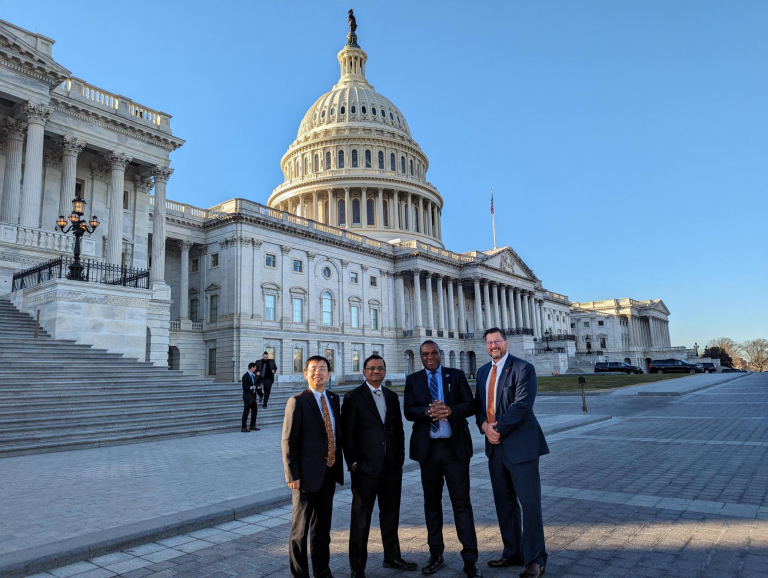
The meetings focused on the state’s engineering workforce needs, and the role of public-private partnerships in addressing that need; offices were also interested in how our programs support economic development.
Institute of Education Sciences
OFR organized meetings for and of Peabody College to discuss the at Peabody and to educate staff on the research Peabody faculty are leading and their partnerships with local schools.Ìý
Humanities Funding
OFR hosted two Robert Penn Warren Center for the Humanities undergraduate fellows for the 2024 .
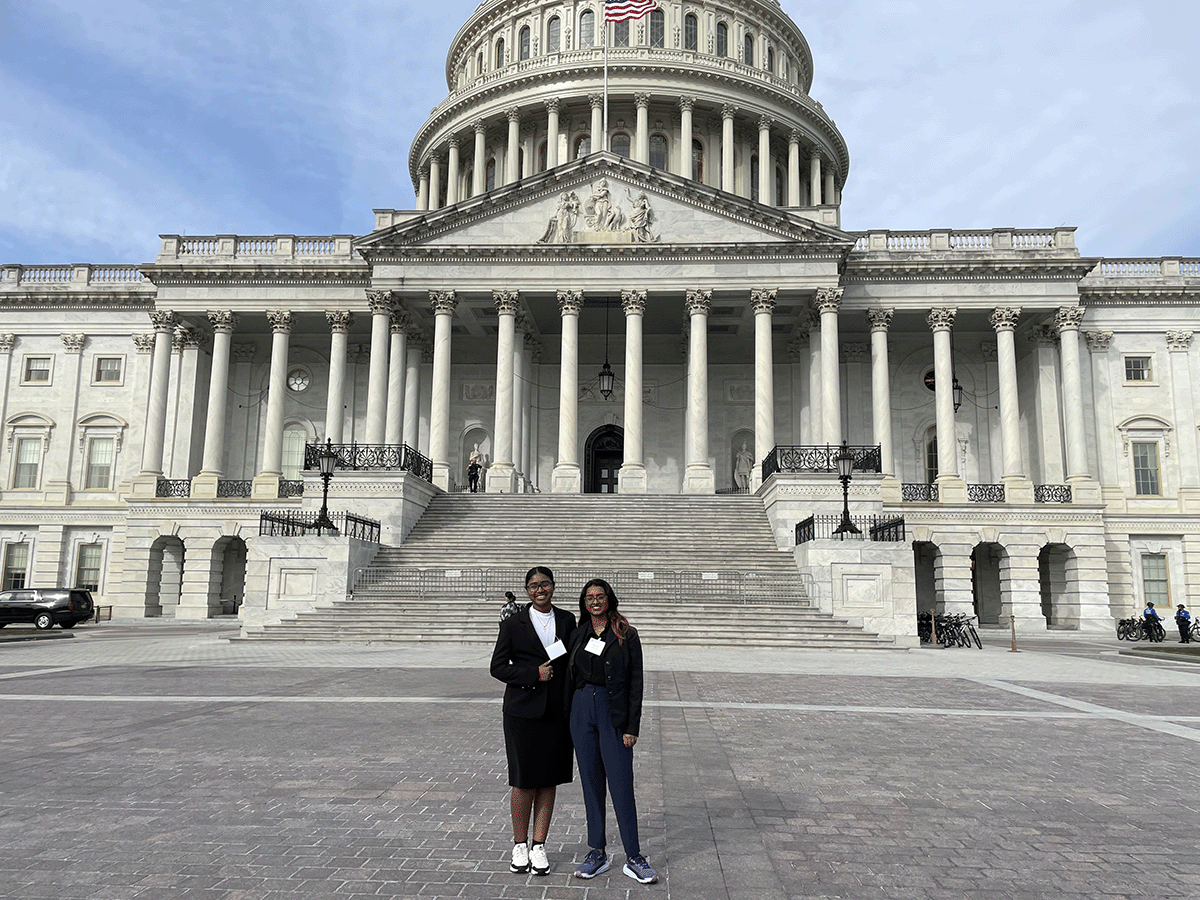
Students in the fellowship prepared videos for social media about how the humanities impact their education and future careers in and to support their advocacy. Organized by OFR, the group advocated for robust funding for the NEH. Ìý
Nursing Workforce Development
¹ú²úÔ´´ School of Nursing Dean Pam Jeffries joined her colleagues in the Deans Nursing Policy Coalition in meetings with congressional staff to advocate for robust funding for the Title VIII nursing workforce development programs.
Ìý
OFR arranged opportunities for the following congressional briefings:
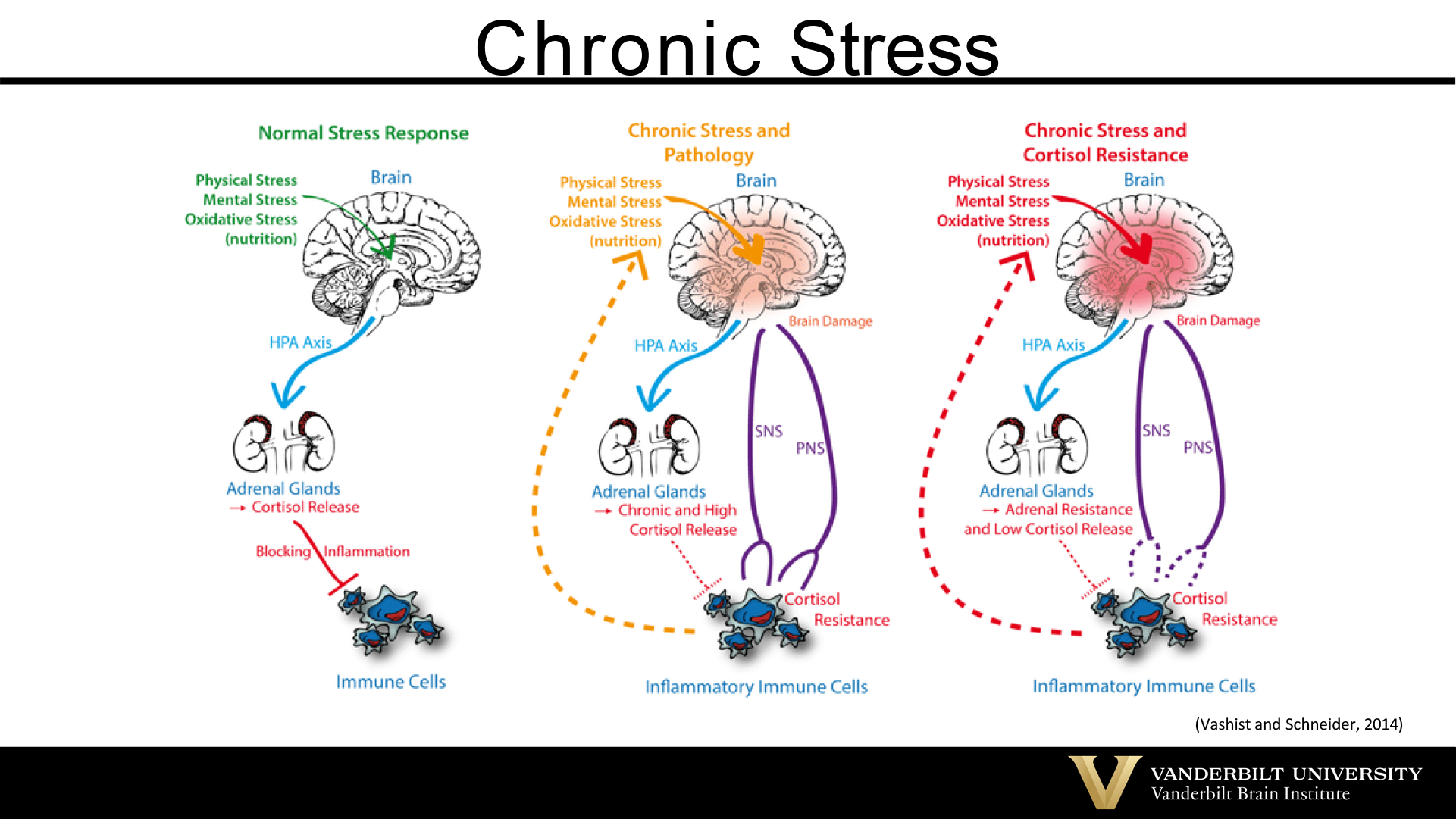 ¹ú²úÔ´´ Brain Institute
OFR hosted a congressional briefing on Capitol Hill featuring ¹ú²úÔ´´ Brain Institute Director Lisa Monteggia who presented on the effects of stress on the brain and body, using her research to illustrate the importance of NIH funding. Read more
Congressional AI Briefing
OFR hosted Tennessee-based congressional staff on campus for a briefing showcasing the interdisciplinary artificial intelligence research being conducted at ¹ú²úÔ´´. Read more
Institute for National Defense and Global Security
OFR coordinated congressional meetings for and Claudia Bergheger to brief key Tennessee congressional staff on VU’s plans for a new institute that builds on the successes of Pathfinder-Air Assault and the Summit on Modern Conflict and Emerging Threats.Ìý
Latin American Public Opinion Project
OFR arranged for Liz Zechmeister and Noam LupuÌýof the LAPOP LabÌýto provide a pre-release overview of the to Tennessee congressional staff as well as majority staff from the House Foreign Affairs Committee and Senate Foreign Relations Committee. Ìý
Generative AI
Jules White, a leading computer scientist and expert on large language models and prompt engineering, visited Capitol Hill to share his expertise with lawmakers. Read more
¹ú²úÔ´´'s International Population
OFR hosted a “Lunch and Learnâ€� event, bringing together immigration caseworkers from Middle Tennessee’s congressional offices alongside key ¹ú²úÔ´´ staff dedicated to assisting the university’s international population. Read more
Fiscal Year (FY) 2024 officially began on October 1, 2023, but the necessary spending bills weren’t finalized until March 22, 2024. The nearly six-month delay was largely due to continued partisan, and sometimes intra-party, disagreements on the overall spending limits for defense and non-defense programs. The resulting funding levels for ¹ú²úÔ´´â€™s appropriations priorities are a mix of good and bad news, and the overall budget environment means that even flat funding was considered a win.Ìý
The good news:
Flat funding, but we’ll call it a win in this environment:
The bad news:
On March 11, the White House released their FY 2025 budget proposal. President Biden is seeking to raise the budgets of most non-defense science agencies for FY 2025, though the increases are dampened by the budget cuts Congress just made to many science agencies for FY 2024. As always, Congress is solely responsible for appropriating discretionary funds through the annual appropriations process.
While the President named many research priorities for his FY 2025 budget proposal, he was limited by capped discretionary spending under an earlier budget agreement with Republicans. As a result, the budget environment in FY 2025 is likely to be very similar to FY 2024, which means the President’s proposals could again be the high-water mark for many of our priorities. Among the most favored agencies in the request are NIST and NSF. Other major funders—including NIH, NASA, and DOE—would see smaller increases. The Administration requests steep cuts to the Department of Defense’s portfolio of early-stage S&T programs compared to FY 2023 enacted levels.
As Congress gets its appropriations process underway, OFR is actively advocating for ¹ú²úÔ´´â€™s institutional priorities which have been submitted to the Tennessee congressional offices. This list of priorities was determined in coordination with campus leaders and includes the top-level funding for research agencies and federal student aid programs.
OFR monitors and engages on a range of research and higher education policy proposals that could impact the university. A sampling include:Ìý
Research Security
OFR has met with TN congressional offices to discuss ¹ú²úÔ´´â€™s risk-based approach to research security; related policies were being considered for inclusion in the FY 2024 and FY 2025 National Defense Authorization Act. Staff were interested to learn about VU’s commitment to both international scientific collaboration and the economic and national security threats posed by foreign adversaries.
Foreign Gift Reporting
OFR has discussed our obligations under the Higher Education Act’s foreign gift reporting requirements and the impact of proposed changes with numerous offices. For example, the , which the House approved in December, would require a massive expansion in reporting. OFR shared with the delegation our view that the legislation is the wrong approach to improving transparency in foreign gift and contracts and it would have detrimental impacts on critical U.S. international scientific collaborations.
The Office of Federal Relations continues to find opportunities to welcome congressional staff to campus to see first-hand cutting-edge research and hear from students, faculty and administrators. Ìý
Office of Senator Blackburn
In February, Sen. Blackburn’s education policy staff visited ¹ú²úÔ´´ to meet with students, researchers and faculty from the Department of Special Education to learn about Department of Education-funded programs at Peabody College, including the , Office of Special Education Programs training grants, and IES Early Career Awards and research. Peabody researchers presented projects that are leveraging .
Office of Representative Green
In April, Rep. Green’s education staff visited campus, touring the ¹ú²úÔ´´ Institute for Surgery and Engineering, Helipad and the ¹ú²úÔ´´ Vaccine Center. This visit illustrated the importance of NIH funding to the university and advancing medicine.ÌýÌý
Federal Policy Forum
Approximately 50 faculty and staff attended OFR’s Oct. 26 Federal Policy Forum on the status and outlook for ¹ú²úÔ´´'s federal funding priorities. These events provide an opportunity for OFR to update the campus community on federal policy issues that impact ¹ú²úÔ´´ and provide a way to engage with a number of interested community members.
Office Hours
OFR also hosted in-person office hours in the Baker Building in December and in Alumni Hall in May where faculty and staff participated in an informal conversation on various federal policy issues.
 Subscribe to DCbriefÌý
DCbrief is the Office of Federal Relations’ e-newsletter that provides timely, concise summaries of news items to inform ¹ú²úÔ´´ faculty and staff of federal policy developments that impact the university and the higher education community. DCbrief is a near-daily publication when Congress is in session.
Subscribe by filling out the Ìýwith a vanderbilt.edu email address. Please note that this is an opt-in newsletter; you must subscribe to receive it.
Follow Us
Follow usÌýonÌýÌýandÌýÌýto stay informed on public policy issues, access resources and opportunities and engage with the higher education landscape.

Associate Vice Chancellor for Federal Relations

Associate Director of Federal Relations
Government Relations Program Coordinator

Federal Relations Operations and Program Aide
The Division of Government and Community Relations has been proactive in fostering advocacy skills and promoting civic engagement among faculty, staff, and students. Over the past six months, the government relations teams have led several initiatives to empower university stakeholders and amplify their voices on issues they care about.
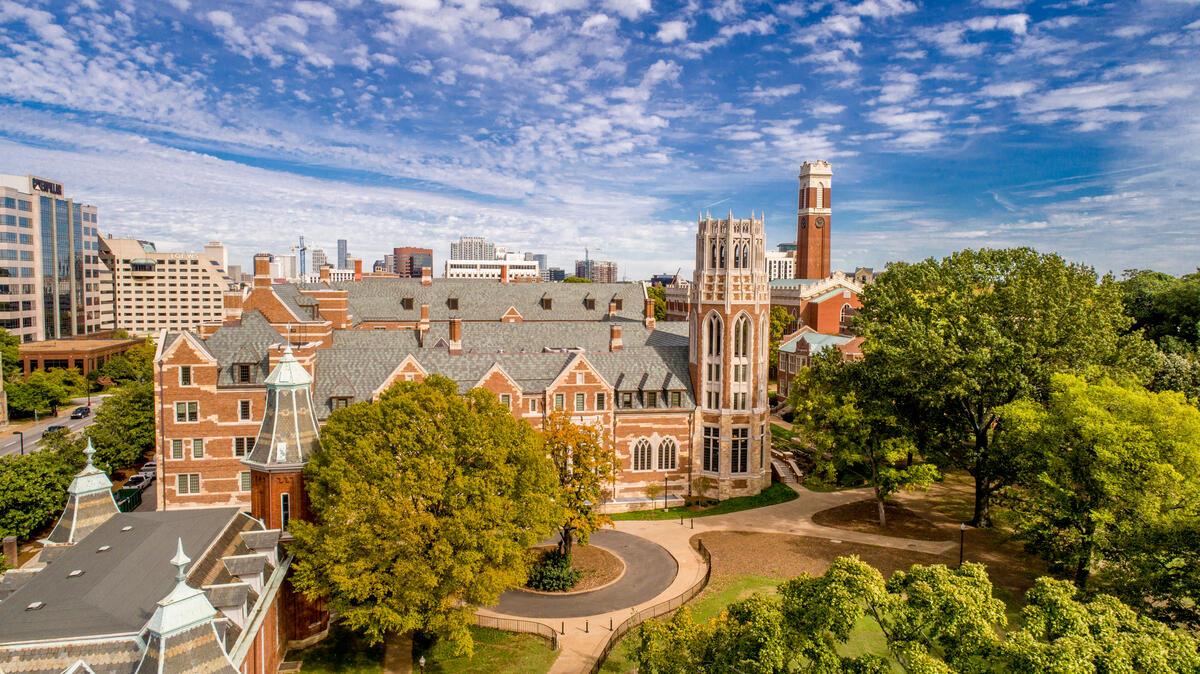
Faculty Advocacy
The division organized a workshop in collaboration with the Faculty Senate. This served as a platform for faculty members to deepen their understanding of advocacy practices and explore opportunities for impactful engagement. Through interactive sessions, participants gained insights into effective communication strategies and learned how to navigate the intricacies of policy advocacy. Key topics included identifying influential decision-makers, crafting persuasive messages, and developing tailored advocacy plans to advance their interests. In addition to the workshop, GCR has created a guide on How to Be an Effective Advocate for faculty and staff.
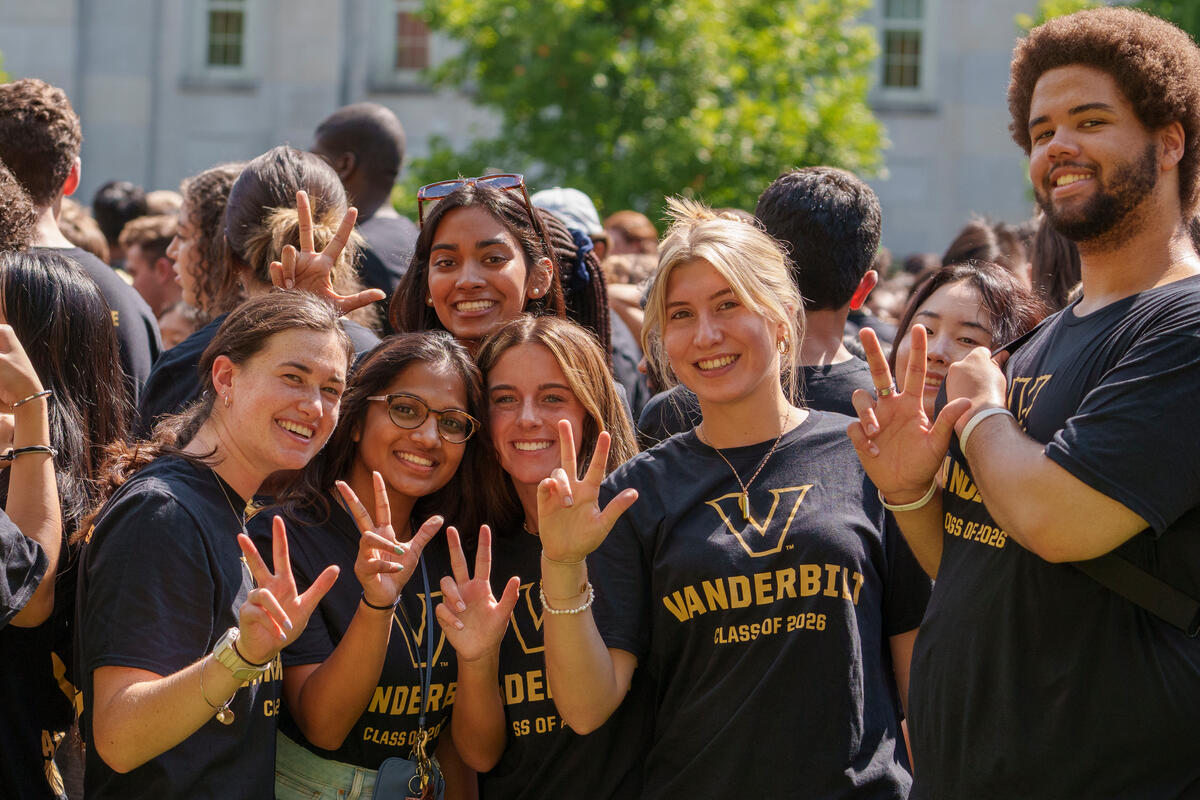
Student Advocacy
¹ú²úÔ´´ has launched two initiatives designed to equip students with the necessary tools and resources for effective advocacy. The provided students with practical skills through a discussion and hands-on guidance from the local, state and federal government relations teams. Additionally, the How to Be an Engaged Citizen advocacy guide offers comprehensive information on engaging with policymakers and navigating the legislative process. These initiatives aim to empower students to become informed advocates for issues they are passionate about, fostering a culture of active citizenship within the university community.
 Voter Engagement
In alignment with its commitment to civic participation, the university’s ¹ú²úÔ´´, Let's Vote campaign promotes voter registration and engagement across campus. Through partnerships with organizations such as , the university facilitates voter registration and provides resources to help students, faculty, and staff navigate the electoral process. By encouraging participation in local, state, and federal elections, the campaign aims to amplify the voices of the ¹ú²úÔ´´ community in shaping public policies and the decision-making processes.
These initiatives reflect ¹ú²úÔ´´'s dedication to fostering a culture of advocacy and civic engagement among its stakeholders. By providing workshops, resources, and support, the Division of Government and Community Relations seeks to empower individuals to advocate effectively for issues that matter to them, both within the university and in the broader community.